Govt bows to transporters after nine-day strike
Updated 6 hours ago

Another child tests positive as parents claim cases have crossed 100 in nine months
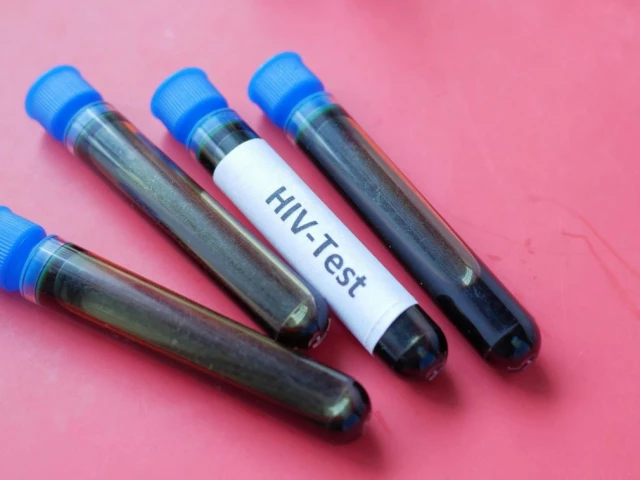
Nine months on, the questions remain unanswered. Another child has tested positive for HIV after receiving treatment at the city's Kulsoom Bai Valika Social Security Hospital, where reportedly more than 100 children from the same neighbourhood have now been infected.
The hospital, which operates under the Sindh Employees' Social Security Institution (SESSI), has continued to receive and screen affected children through its outpatient department in 2026. Parents say their children are receiving treatment, but the cause of the infections remains undetermined. They also claim that nine children have died since last year and that fear has gripped residents of Pathan Colony, where many of the affected families live.
The latest case involves nine-year-old Aaliyan, a resident of Golimar, whose laboratory test confirmed HIV infection. Speaking to The Express Tribune, his parents said the child had been admitted to Valika Hospital for about 20 days last year. During that period, they learned that other children being treated in nearby beds had also tested positive for HIV. Concerned, they had their son tested after his discharge, and the result came back positive.
His mother said the child's health continued to deteriorate after leaving the hospital. The family accused doctors at Valika Hospital of negligence, alleging that their son's infection resulted from lapses during his treatment.
"My innocent child is now living with this disease because of someone else's mistake," a family member said. "Instead of going to school, he spends his time visiting hospitals. He doesn't even understand the stigma attached to this illness."
Another affected family from Pathan Colony said two of their children - a two-and-a-half-year-old boy and a nine-year-old daughter - have tested positive for HIV. Their mother, Nishad, said her daughter had been an excellent student, but the illness has severely affected her studies. Both children experienced recurring fever, body aches and weakness before being diagnosed.
Parents say they had taken their children to the hospital for treatment of routine illnesses because it offered free medical care, only to later discover they had contracted HIV. Beyond the medical challenges, they say they are facing widespread social discrimination.
According to the families, children are subjected to discrimination in schools, classmates avoid them, neighbourhood children refuse to play with them, and some neighbours have limited contact with affected households. Some families say they have even been advised to leave their neighbourhoods.
The parents have alleged negligence during treatment at the hospital, claiming that safety protocols were not consistently followed while administering injections. They have demanded that a separate, modern ward be established for HIV-positive children and have called on the Sindh government to ensure quality treatment and full support for affected families.
Reports of HIV cases linked to the hospital have surfaced for several months. After the first case involving a young girl emerged in September 2025, local political and community leaders launched their own inquiry. Following her diagnosis, a five-member committee headed by Union Council No 1 Vice Chairman Irshad Khan was formed, comprising representatives of Jamaat-e-Islami, the Pakistan Peoples Party, the Awami National Party and other political groups.
At the committee's request, screening of children treated at the hospital began, and dozens of HIV cases were detected during the initial phase.
Irshad Khan told The Express Tribune that concerns first emerged in September 2025, when children in the area repeatedly developed fever, body aches and weakness. Initially, parents believed the illnesses were routine and continued seeking treatment at the hospital. However, after the first HIV case was detected in the hospital laboratory in April this year, the situation worsened and wider screening was initiated.
He explained that initial HIV screening is conducted through PCR testing at the hospital laboratory, after which samples are sent to the CDC for confirmation using multiple diagnostic kits. Patients are recalled about 15 days later for a confirmatory test, and only those who test positive again are officially classified as HIV-positive.





This material may not be published, broadcast, rewritten, redistributed or derived from. Unless otherwise stated, all content is copyrighted © 2026 The Express Tribune.












1727268465-0/Untitled-design-(42)1727268465-0-208x130.webp "independence 2 0")
COMMENTS
Comments are moderated and generally will be posted if they are on-topic and not abusive.
For more information, please see our Comments FAQ