FX reserves edge up to $22.5b
Updated 15 hours ago

Emphasise processed meat, value-added products offer bigger gains
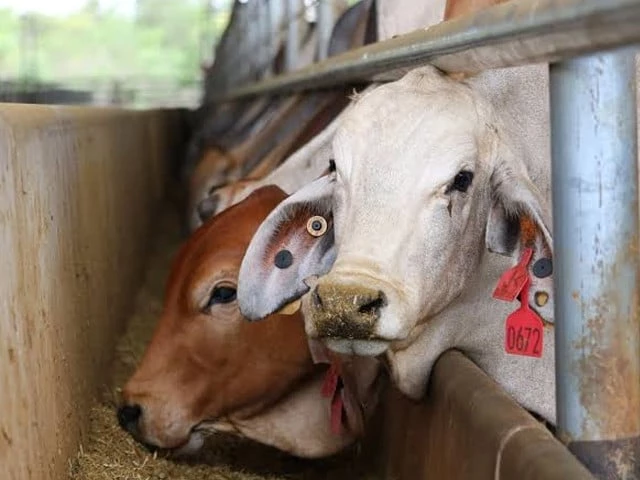
The export of live animals may provide short-term foreign exchange earnings, but it risks weakening Pakistan's meat processing industry, reducing value addition and depriving the economy of thousands of jobs, according to business leaders and meat exporters, who have urged the government to revisit the policy.
The concern has surfaced after the Punjab government allowed the export of live animals, a move that has triggered criticism from industry stakeholders, who argue that the country should instead focus on exporting processed halal meat and other value-added livestock products to maximise export revenues. Pak International Business Forum (PIBF) President Dr Mushtaq Mangat said Pakistan possesses one of the largest livestock populations in the region, giving it the potential to become a major supplier of processed halal meat to international markets rather than exporting livestock in raw form.
He added that processed meat exports generate significantly higher foreign exchange than live animal exports while creating employment opportunities across the entire value chain, including livestock farming, slaughterhouses, meat processing, packaging, cold storage, transportation and logistics.
"Pakistan must adopt an export strategy based on value addition rather than exporting raw resources. The future of the livestock sector lies in strengthening the meat processing industry, ensuring international quality standards and expanding access to global halal markets," he said.
He urged the Punjab government to review and withdraw the policy permitting live animal exports, saying greater emphasis on processed meat exports would improve food safety standards, attract investment in modern slaughterhouses and processing facilities, and enhance Pakistan's competitiveness in global halal food markets. Industry representatives argue that every animal processed domestically creates economic activity far beyond meat production. Hides, skins, offal, bones and other byproducts support the leather industry, pharmaceuticals, animal feed producers, cold-chain operators, packaging companies and transport businesses, all of which contribute additional export earnings and employment.
A policy note prepared by the All Pakistan Meat Exporters and Processors Association (APMEPA) also warns that unrestricted live animal exports could reduce the availability of quality livestock for domestic processors, increase local meat prices, weaken herd sustainability and transfer the entire downstream value chain to importing countries instead of keeping it within Pakistan.
The document notes that Pakistan has invested heavily in internationally compliant slaughterhouses, cold-storage facilities, laboratory testing, halal certification systems and export-oriented meat processing plants. Any shortage of quality animals, it says, will reduce capacity utilisation at these facilities and undermine investments made over the past several years.
According to the policy paper, processed meat exports also offer greater economic returns because a single animal can generate multiple revenue streams through boneless meat, vacuum-packed products, offal, hides and skins, whereas live animal exports generate only one-time earnings. It cautions that disease outbreaks linked to live animal shipments could damage Pakistan's reputation in international markets and jeopardise future meat exports. "The country's meat processing sector has already made substantial investments in internationally approved processing plants and cold-chain infrastructure," said Abdul Hannan, Chairman APMEPA. He added that continued export of live animals adversely affects the availability of quality livestock for local processors.
"Processed meat exports generate substantially greater economic returns by creating skilled employment and delivering higher export value. Both the federal and provincial governments should formulate policies that support value-added exports and provide incentives to the meat processing industry so Pakistan can expand its share in the rapidly growing global halal meat market," he said.
Stakeholders believe Pakistan's livestock sector should be viewed as a strategic economic asset rather than merely a source of raw exports. They maintain that strengthening domestic processing capacity, improving traceability, expanding certified halal production and promoting value-added exports will enable the country to earn more foreign exchange while supporting allied industries and creating sustainable employment.







This material may not be published, broadcast, rewritten, redistributed or derived from. Unless otherwise stated, all content is copyrighted © 2026 The Express Tribune.





COMMENTS
Comments are moderated and generally will be posted if they are on-topic and not abusive.
For more information, please see our Comments FAQ