Seven injured in attack on Balochistan home minister’s convoy in Mastung
Updated 2 hours ago

CPPA seeks Rs0.82 increase under fuel cost adjustment
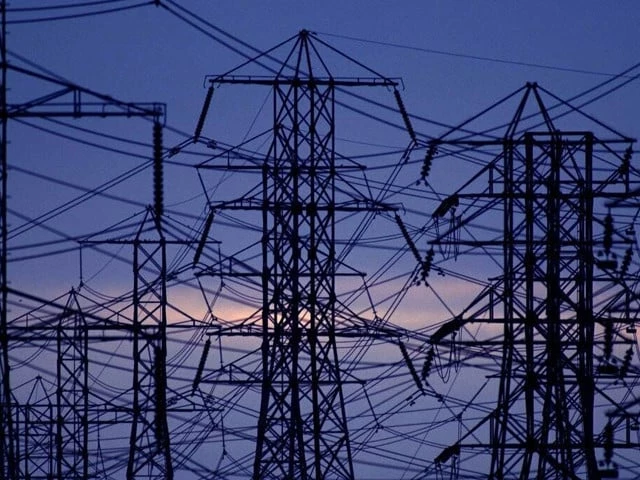
Electricity consumers are likely to face an increase of up to Rs0.82 per unit under the monthly fuel cost adjustment (FCA) for May 2026, as the National Electric Power Regulatory Authority (NEPRA) held a public hearing on the proposed tariff revision on Tuesday.
During the hearing, it was revealed that the actual fuel cost stood at Rs9.2488 per unit against the reference fuel cost of Rs8.4315 per unit, resulting in a proposed increase of Rs0.8173 per unit.
The Central Power Purchasing Agency (CPPA) has requested the increase, according to NEPRA officials.
Officials informed the hearing that the proposed adjustment would impose an additional burden of around Rs10 billion on electricity consumers. They added that a total of 12.33 billion units of electricity were sold during May 2026.
CPPA officials told the hearing that overall electricity consumption in May declined by 4.6 per cent.
They claimed that electricity consumption also fell by around one per cent due to the early closure of markets under austerity measures introduced following the Iran-US war.
NEPRA members questioned the reasons behind the decline in electricity demand and asked whether the reduction was linked to load management (load shedding).
CPPA officials responded that the lower demand was partly due to the Eid holidays and comparatively lower temperatures during May.
According to the National Power Control Centre (NPCC), maximum electricity generation during May reached 23,333MW.
NEPRA also questioned why electricity demand had declined despite the government's incremental package for the agriculture and industrial sectors.
CPPA officials attributed part of the decline to increased daytime solarisation, saying demand for grid electricity had fallen as more consumers relied on solar power during daylight hours.
They further informed the hearing that LNG supplies had been restored by the end of April 2026. However, they said the fuel cost for power generation had increased due to the Iran-US war. According to the officials, peak electricity demand in June stood at 26,000MW.
Jamaat-e-Islami rejected the proposed increase in electricity prices during the hearing.
Its representative, Imran Shahid, said they rejected the proposed Rs0.82 per unit increase.
The intervenors argued that the public should not be made to bear the cost of poor governance. They pointed out that the low-cost Neelum-Jhelum Hydropower Project remained non-operational.
They also said severe load shedding continued across the country and criticised the government for failing to develop an adequate transmission system capable of delivering cheaper electricity.
Imran Shahid further said the people of Karachi should not suffer because of K-Electric's inefficiency.
Rehan Javed, representing the Federation of Pakistan Chambers of Commerce and Industry (FPCCI), questioned why electricity demand was not increasing despite the availability of a low-cost industrial power package.
"Textile industries are shutting down, highlighting the worsening condition of the manufacturing sector," he said.
He also argued that the financial burden of incremental packages should not be shifted to other categories of consumers.













This material may not be published, broadcast, rewritten, redistributed or derived from. Unless otherwise stated, all content is copyrighted © 2026 The Express Tribune.






COMMENTS
Comments are moderated and generally will be posted if they are on-topic and not abusive.
For more information, please see our Comments FAQ