Severe COVID may reactivate dormant viruses, study finds
Updated 28 minutes ago

Says Gulf allies shared some very serious concerns and that they wanted to be informed of every step of peace accord
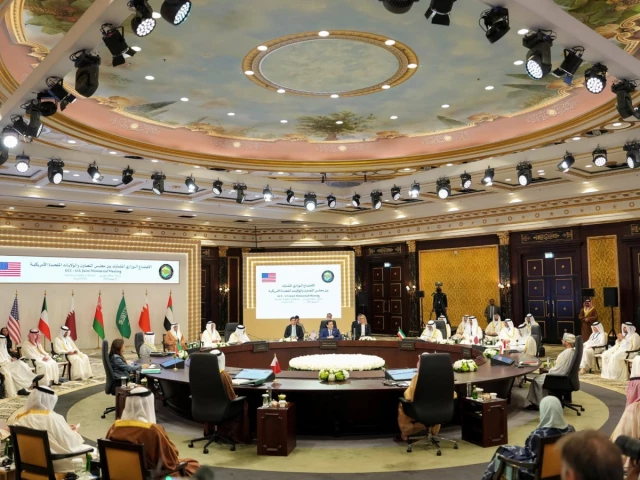
US Secretary of State Marco Rubio told Gulf Arab allies on Thursday that any deal with Iran would take their interests into account, as he wrapped up a Middle East trip aimed at selling the Trump administration's preliminary accord to sceptical regional partners.
Speaking at a meeting of Gulf Arab foreign ministers and officials in Bahrain — home to the US Navy's Fifth Fleet — Rubio said Washington was seeking an enduring peace with long-time foe Iran that would not undermine the security and prosperity of its allies in the oil-rich region, which fear the accord is too soft on Iran after it attacked them in the war.
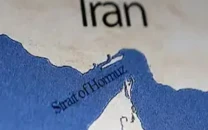
Iran fought two of the world's most powerful armies during the conflict and took effective control of the vital Strait of Hormuz, heavily disrupting oil flows and rattling global energy markets and the wider economy.
Read More: Hormuz fees unacceptable in any Iran deal: Trump
Bahrain's Foreign Minister Abdullatif bin Rashid Al Zayani, who chaired the gathering, welcomed Oman's announcement of a corridor for the safe passage of vessels through the Strait of Hormuz.
Rubio's three-day tour of the Gulf is the first high-level diplomatic mission since the US-Iran framework agreement last week to end the conflict, which started on February 28 with US-Israeli strikes on Iran.
He has acknowledged the delicacy of his mission as he seeks to win over Gulf Arab leaders wary that excessive concessions could strengthen Tehran and reshape the region’s security balance and oil flows.
At his previous stops in the UAE and Kuwait, Rubio sought to assure officials that the proposed deal was not overly favourable to Iran, which struck several Gulf states during the war.
"We're not going to do anything that undermines the security of our allies, our longstanding allies in the region," he told reporters in Kuwait.
He told reporters that Gulf allies shared some very serious concerns and that they wanted to be informed of every step of the peace accord, which includes provisions on Hormuz.
Read This: Iran slams NATO chief's comments on US support in war
If Iran threatens or blocks ships in the Strait of Hormuz, "then we're going to have a problem," Rubio said, having earlier told ministers that "no country on Earth has the right to charge for the use of international waterways" and that fees for shipping would never be part of any deal.
Rubio said he did not discuss a $300 billion reconstruction fund for Iran that is part of the peace proposal. Gulf states fear Iran would use that money to revive its military capacity.









This material may not be published, broadcast, rewritten, redistributed or derived from. Unless otherwise stated, all content is copyrighted © 2026 The Express Tribune.



COMMENTS
Comments are moderated and generally will be posted if they are on-topic and not abusive.
For more information, please see our Comments FAQ