FX reserves edge up to $22.5b
Updated 11 hours ago

Gold prices rise by Rs10,800 per tola in Pakistan

Gold and silver prices continued their upward trajectory in local markets on Monday after gold prices witnessed a sharp increase of $108 per ounce to reach $4,327 in the international market.
Despite easing geopolitical tensions following reports of a peace agreement between the United States and Iran, along with the announcement of an end to the US naval blockade, gold prices in the international bullion market surged for a third consecutive day.
Read: US, Iran reach preliminary agreement to end war, signing set for Friday
Following the increase in global prices, gold rates in local bullion markets also moved sharply higher. The price of gold per tola jumped by Rs10,800 to settle at Rs455,136, while the rate for 10 grams of gold increased by Rs9,720 to Rs389,600.
Silver prices also recorded significant gains. In the international market, silver rose by $2.30 per ounce to $70.30.
As a result, domestic silver prices climbed by Rs230 per tola to Rs7,509, while the price of 10 grams of silver increased by Rs197 to Rs6,396.
Market analysts said developments in global commodity markets continued to influence precious metal prices, with investors maintaining strong interest in safe-haven assets despite signs of easing geopolitical tensions.
Gold gains lustre on PMEX post budget
The federal budget for FY2026-27 is expected to create a supportive environment for gold and precious metals traded on the Pakistan Mercantile Exchange (PMEX), as higher fuel levies, inflationary pressures, rupee vulnerability and tax changes strengthen the case for safe-haven assets.
While the budget contains several measures affecting domestic agricultural commodities, market analysts believe the most significant implications for PMEX participants are likely to emerge in the gold market. A post-budget analysis by KTrade Securities' Aahil Hirani sees gold as one of the principal beneficiaries of the budget, while higher fuel levies could create upward pressure on agricultural commodity prices.
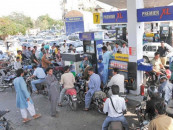
"The government has doubled the carbon levy to Rs5 per litre from July 1, 2026. Combined with elevated global oil prices and existing fuel taxes exceeding Rs120 per litre, the measure is expected to sustain inflationary pressures while supporting the government's Rs1.727 trillion petroleum levy target for FY2026-27, signalling continued reliance on fuel taxation as a major revenue source," Hirani told The Express Tribune. The inflationary impact extends far beyond the fuel pump. Impact on agri commodity
Pakistan's freight network remains overwhelmingly dependent on road transport. As diesel costs rise, transportation expenses for agricultural commodities, industrial inputs and consumer goods are expected to increase.
For PMEX-traded agricultural commodities such as wheat, cotton, sugar and palm oil, a higher freight burden is expected to push up production and distribution costs. Wheat prices are likely to rise due to higher transport and fertiliser costs, while cotton faces pressure from increased energy expenses in ginning.
Sugar futures may also gain support as mills absorb higher operating costs. Palm oil appears particularly exposed because Pakistan imports most of its edible oil requirements. Any increase in import-related costs, freight charges or exchange-rate weakness is likely to be reflected quickly in domestic prices.
Despite the implications for agricultural commodities, the report argues that gold remains the clearest beneficiary of the broader macroeconomic environment emerging from the budget.
Historically, gold has performed strongly during periods of high inflation, currency weakness and geopolitical uncertainty. These conditions are expected to persist in FY2026-27. The government's inflation projection of 8.2% assumes stable oil prices, but continued volatility in energy markets could push inflation higher. Higher inflation typically encourages investors to shift savings into assets perceived as stores of value.












This material may not be published, broadcast, rewritten, redistributed or derived from. Unless otherwise stated, all content is copyrighted © 2026 The Express Tribune.








COMMENTS
Comments are moderated and generally will be posted if they are on-topic and not abusive.
For more information, please see our Comments FAQ