Shakira, Christina Aguilera concerts in Abu Dhabi cancelled amid US-Iran war
Updated 17 hours ago

Legislation introduces safeguards for their digital identities, voices and likenesses in age of Artificial Intelligenc
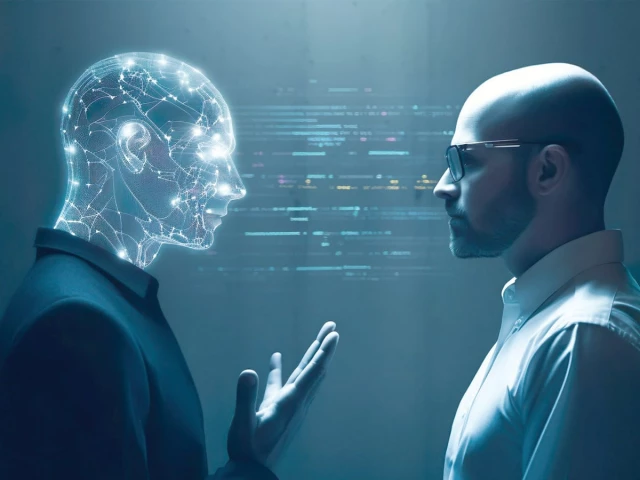
The Punjab government has prepared the draft of the Punjab Performers' Digital Identity and Artificial Intelligence Protection Act 2026, introducing major legal safeguards for artists' digital identities, voices and likenesses in the age of Artificial Intelligence (AI).
Under the proposed legislation, an artist's voice, facial image and other digital identifiers would be recognized as protected intellectual property, making their unauthorized use through AI systems illegal. The draft law requires explicit, written and specific consent from performers before any AI-generated performance, voice cloning or digital replica can be created or used. It also mandates clear disclosure whenever AI is used in content production.
The bill proposes strict penalties for unauthorized AI use, voice cloning, deepfakes and fake endorsements or political messages generated through AI. Violators could face up to three years in prison and fines worth millions of rupees.
To ensure long-term protection for performers, the proposed law includes the establishment of a Digital Rights Registry and a dedicated regulatory framework. Separate compensation and formal agreements would also be mandatory for any AI-generated performance. Special protections have been proposed for performers under the age of 18, while the digital identities of deceased artists would remain protected for 25 years after their death.
Meanwhile, a delegation of artists held a Zoom meeting with the Pakistan Films City Athourity ( PFCA) Government of Punjab discuss the proposed legislation and present the concerns of Pakistan's entertainment industry. The meeting was led by actor and filmmaker Shamoon Abbasi and attended by prominent artists including Faysal Quraishi, Faisal Rehman, Hira Tareen, Faiza Hassan and several other members of the artistic community.
Speaking to The Express Tribune, Shamoon Abbasi said the delegation had collectively raised its voice for the protection of artists' rights in the digital era and welcomed the Punjab government's engagement on the issue.
"We have spoken up for the rights of all artists, and the Punjab government has listened to our concerns. The proposed legislation is an important step towards protecting performers from the misuse of AI technologies and safeguarding their digital identities," Abbasi said.
Abbasi added that the delegation had raised all these concerns before government officials during the meeting. He noted that Hira Tareen was also part of the artists' delegation and had highlighted the growing concerns surrounding digital rights and AI-related contractual clauses.
Shamoon abbasi has been working on this legal framework for the actors since year and now will be developing an association by the name of PAG PAFTRA to safeguard the IP of all actors/ performers of pakistan.
Earlier this week, actor Hira Tareen publicly revealed that she had encountered clauses in a drama contract that would have granted a production house and television studios ownership of her digital likeness.
The discovery prompted her to sound an alarm for fellow performers, warning that many artists may be signing away rights to their faces, voices and mannerisms without fully understanding the long-term implications. A few days ago, Tareen shared a video on social media explaining that the contract initially appeared routine until she examined it closely.
According to her, the agreement would have transferred rights over "everything that I have as a human being ,my voice, my face, my gestures" and not merely for a single project but potentially "for anything, forever."
Her concerns struck a chord within the entertainment industry because the issue extends beyond a single production. According to Tareen, other actors soon began receiving similar agreements, suggesting that AI-related clauses may be quietly becoming more common in Pakistan's entertainment sector.
Tareen warned that the progression of AI adoption may seem harmless at first. "First, they use AI just to make your posters," she said. "Then they use your voice for dubbing. Then they call you in for 10 scenes instead of 20, because now the model is training on your existing likeness and footage that they already have. And then one day, the model is ready and they don't need to call you in at all."
Recently speaking about the growing influence of Artificial Intelligence, actor Sania Saeed expressed concern over its impact on creativity, human interaction and the future of cinema. She questioned how much access AI should be given and who should control it, warning that excessive reliance on technology could marginalize actors, technicians and other creative professionals.
Tareen has advised actors to watch for exactly such language before signing contracts.





This material may not be published, broadcast, rewritten, redistributed or derived from. Unless otherwise stated, all content is copyrighted © 2026 The Express Tribune.

COMMENTS
Comments are moderated and generally will be posted if they are on-topic and not abusive.
For more information, please see our Comments FAQ