
Dissent is the heartbeat of democracy
Updated 7 hours ago

A global economic shock emerging from the Iran conflict is rapidly evolving into a new kind of inequality shock
A global economic shock emerging from the Iran conflict is rapidly evolving into a new kind of inequality shock that is being felt unevenly within and between countries around the world. The economic consequences of geopolitical instability are producing a distributional crisis enabling a small number of corporations and investors to reap substantial gains while ordinary households are finding it increasing difficult to make ends meet.
A limited number of energy companies, financial institutions and defence contractors have emerged as major beneficiaries of the uncertainty and volatility accompanying this latest Middle Eastern crisis. Recent Oxfam analysis estimates that six of the world's largest fossil fuel companies are on track to generate extraordinary windfall in 2026, amounting to roughly 100 billion dollars in annual gains. Therefore, the current crisis is rewarding powerful actors that thrive on price instability.
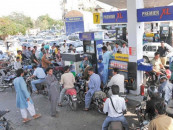
Conversely, the costs of conflict are being transmitted downward through higher prices for essential goods. Even in advanced economies such as the United States, households are experiencing rising gasoline prices and accelerating food inflation. These increases are particularly burdensome for lower income households. The inequality shock is even more severe in lower income countries, where import dependence on fuel and grain amplifies exposure to global price movements. For households already living near subsistence, these are not marginal changes but direct threats to nutrition, wellbeing, and their ability to meet other basic needs. A second layer of inequality is emerging between states. Wealthier countries, drawing on deeper fiscal capacity and strategic reserves, are better able to secure energy and food supplies on global markets.
The current moment is distinct not because it represents a single shock, but because it reflects the layering of multiple crises. The global economy is still grappling with the aftereffects of the Covid-19 pandemic and the Russia-Ukraine war, both of which disrupted supply chains, fueled inflationary pressures and exacerbated debt vulnerabilities across much of the developing world. The conflict involving Iran now compounds these existing challenges, creating a cumulative inequality effect that widens disparities both within and between countries. As successive crises reinforce one another, the economic burdens fall disproportionately on vulnerable populations, while the benefits of heightened volatility accrue to a relatively small number of actors.
The international response to this emerging crisis has been limited. During the 2008 global financial crisis, G-20 leaders coordinated large-scale fiscal and monetary measures to stabilise the world economy. Similarly, during the Covid-19 pandemic, the IMF extended emergency financing services. Today, however, multilateral cooperation is weaker and slower as wealthier states are increasingly reluctant to expand fiscal space for international aid. However, instability in lower income countries does not remain contained. It spreads through migration pressures, financial contagion and political volatility. The false separation between economic policy and peace and security obscures the real costs of conflict. Energy shocks, economic slumps and food insecurity are mutually reinforcing problems.
Beyond diplomatic efforts to end the conflict, high income countries should thus protect vulnerable households through targeted cash transfers, progressive taxation and windfall taxes on excess crisis-driven profits. A coordinated international package of emergency grants and debt relief is also urgently needed to prevent vulnerable economies from sliding deeper into crisis.
Without such coordinated action, this conflict-driven inequality shock will continue to concentrate gains at the top while pushing millions at the bottom deeper into precarity.





This material may not be published, broadcast, rewritten, redistributed or derived from. Unless otherwise stated, all content is copyrighted © 2026 The Express Tribune.



COMMENTS
Comments are moderated and generally will be posted if they are on-topic and not abusive.
For more information, please see our Comments FAQ