Moody's upgrades Pakistan rating
Updated 20 minutes ago

Reaffirms Pakistan's commitment to 'Shanghai Spirit'
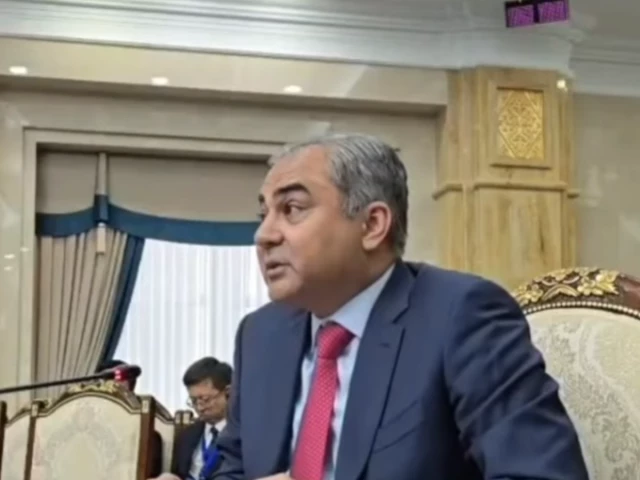
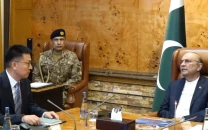
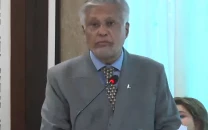
Stressing the need for collective action against evolving security threats, Interior Minister Mohsin Naqvi urged the member states of the Shanghai Cooperation Organization (SCO) to strengthen regional cooperation in combating terrorism, organized crime, narcotics trafficking, cybercrime, and terror financing.
Addressing a special meeting of Interior Ministers and Public Security Ministers of SCO member countries in Bishkek, Naqvi said the region is facing increasingly complex and interconnected security challenges that require coordinated and forward-looking responses.
He noted that criminal and terrorist networks were rapidly adapting to technological advancements, exploiting artificial intelligence, digital platforms, online networks and cryptocurrency transactions to expand their activities. In response, he emphasized the importance of modernizing institutional coordination and enhancing intelligence-sharing mechanisms across the region.
"Shared threats demand shared solutions," Naqvi told the delegates, calling for a comprehensive regional strategy to tackle transnational crime and emerging security risks.
Highlighting Pakistan's commitment to the principles of the SCO, he said the country remains firmly dedicated to the "Shanghai Spirit," which is based on mutual trust, equality, cooperation, and respect for sovereignty. He added that Pakistan has made unparalleled sacrifices in the fight against terrorism and extremism and continues to strengthen its security architecture to address evolving threats.
Naqvi pointed to Pakistan's efforts under the National Action Plan, including enhanced intelligence coordination, improved border management, and stronger anti-money laundering measures. He said these initiatives have significantly strengthened the country's capacity to combat terrorism and organized crime.
The minister also stressed the importance of expanding cooperation under the SCO's Regional Anti-Terrorist Structure (RATS), particularly in intelligence sharing, joint threat assessments, and efforts to counter online radicalization and extremist propaganda. Pakistan, he said, fully supports initiatives such as regional workshops and expert exchange programs aimed at building collective capabilities.
Naqvi said cybersecurity emerged as another key theme of his address. He described cyber intelligence and digital forensics cooperation as an urgent regional requirement, noting that technological advances have created new opportunities for criminal organizations and terrorist groups.
On the issue of narcotics trafficking, he warned that the illegal drug trade remained a major source of terrorist financing. He called for a coordinated strategy against drug trafficking networks, online criminal operations and illicit financial flows facilitated through digital currencies. Pakistan's Anti-Narcotics Force, he said, remains actively engaged in SCO-led counter-narcotics initiatives and stands ready to deepen cooperation with partner countries.
Naqvi further underscored the critical role of border security in ensuring regional peace and stability. He urged SCO members to increase collaboration in combating human trafficking, improving watch-list coordination, and preventing the use of forged travel and identity documents.
Addressing financial crimes, the interior minister said disrupting terrorist financing remains one of Pakistan's foremost priorities.











This material may not be published, broadcast, rewritten, redistributed or derived from. Unless otherwise stated, all content is copyrighted © 2026 The Express Tribune.





COMMENTS
Comments are moderated and generally will be posted if they are on-topic and not abusive.
For more information, please see our Comments FAQ