PML-N sweeps Pindi refugee seats in AJK polls
Updated Aug 03, 2026

Sewage sludge, debris left unattended despite World Environment Day activities
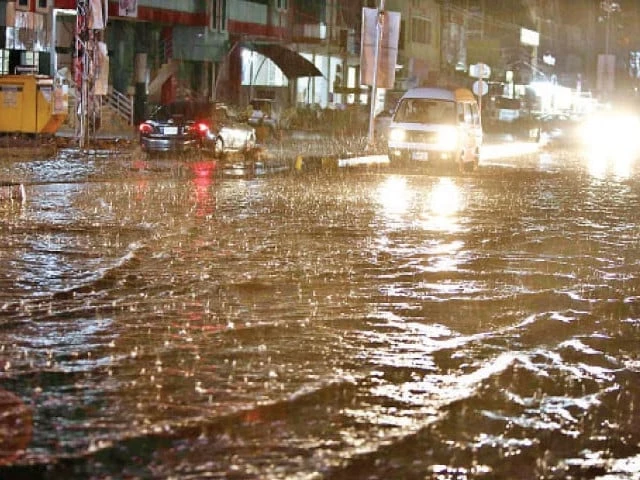
Residents across Rawalpindi raised serious concerns on Friday over the city's sanitation and drainage arrangements after sewage-contaminated mud, refuse and foul-smelling debris remained scattered throughout several low-lying neighbourhoods for a second consecutive day following Thursday's torrential rainfall.
The complaints emerged even as the city's sanitation authorities marked World Environment Day with a symbolic awareness walk, prompting criticism from citizens who questioned the effectiveness of post-rain clean-up efforts.
Residents reported that although floodwater receded naturally within a few hours of the downpour, large quantities of waste carried by the rainwater remained unattended in streets and residential lanes. The debris included discarded shopping bags, household refuse, dead rodents, insects and thick layers of sewage-laden black mud.
While Friday's intense sunshine dried much of the sludge, the waste continued to litter roads and neighbourhoods, creating unpleasant conditions and raising public health concerns.
Citizens warned that the lingering contamination could contribute to the spread of respiratory, gastrointestinal and water-borne diseases, including hepatitis and other infections associated with poor sanitation. Many expressed frustration at what they described as an inadequate response by the relevant civic authorities.
Among the areas most severely affected were Javed Colony, Nadeem Colony, Arya Mohalla, Fazalabad, Dhoke Elahi Bakhsh, Dhoke Khaba Road, Umar Road, Sadiqabad Chowk, Fauji Colony, Zia-ul-Haq Colony, Sharon Colony and Tench Bhata. In several localities, floodwater reportedly reached depths of two to three feet before subsiding naturally after six to seven hours.
One of the city's major recreational facilities, Shehbaz Sharif Park on Rawal Road, also remained partially submerged on Friday. Although water levels had fallen considerably due to the heat, several low-lying grounds, jogging tracks and tennis courts were still under water.
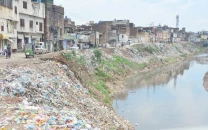
The heavy rainfall generated high flows in Nullah Leh and the city's 15 seasonal storm drains, heightening fears among residents living along the waterways. The first major pre-monsoon downpour exposed the vulnerability of numerous settlements to urban flooding, prompting some families to begin moving valuable possessions to safer locations ahead of the traditional flood season, which extends from mid-June to mid-August.
Residents also questioned the effectiveness of recent desilting operations undertaken by the WASA. According to local accounts, soil, refuse and construction debris removed from drains at a reported cost of Rs80 million had been deposited along the banks of Nullah Leh and adjoining channels, only to be washed back into the waterways during the latest downpour.








This material may not be published, broadcast, rewritten, redistributed or derived from. Unless otherwise stated, all content is copyrighted © 2026 The Express Tribune.











COMMENTS
Comments are moderated and generally will be posted if they are on-topic and not abusive.
For more information, please see our Comments FAQ