Afghan Taliban mark five years in power
Updated 1 hour ago

Tehran insists no agreement is possible without guarantees of rights
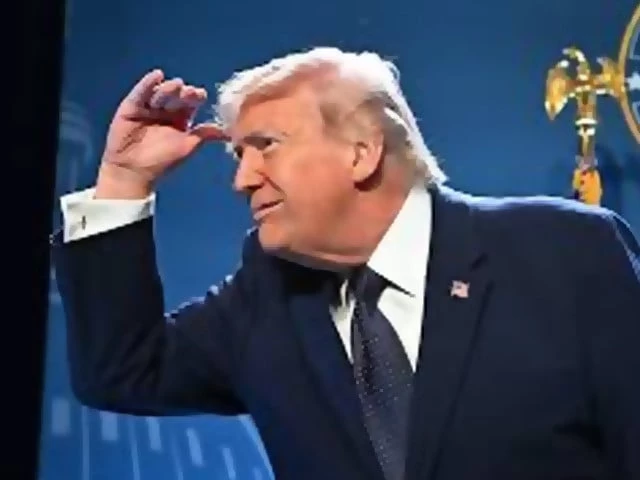
Iran's top leadership has warned that no agreement with the United States will be accepted unless Tehran's rights are fully secured, as negotiations over a proposed nuclear and security framework continue amid deep mistrust and competing demands from both sides.
Mohammad Bagher Ghalibaf, Iran's chief negotiator and parliamentary speaker, said on Sunday that Tehran "will not approve any agreement until we are certain that the rights of the Iranian people have been upheld," signalling that the latest US proposals have failed to bridge long-standing gaps between the two sides.
His remarks came after reports that US President Donald Trump had sent back a tougher revised version of a peace proposal under discussion, extending already fraught negotiations aimed at ending hostilities and reopening the strategic Strait of Hormuz, a key global energy corridor that has remained closed.
According to US media reports, including The New York Times and Axios, the revised framework reflects Washington's insistence on stricter guarantees, particularly over Iran's nuclear activities and maritime security arrangements in the Gulf. However, the exact contents of the amendments remain unclear.
Trump has publicly maintained that his priority is to prevent Iran from developing nuclear weapons and to restore free passage through the Strait of Hormuz. "The one guarantee that I have to have is that there will be no nuclear weapons," he said in an interview broadcast on Fox News.
He said that Tehran had agreed to that principle but Iranian officials have rejected such assertions, insisting that negotiations remain incomplete and highly conditional. State media quoted Ghalibaf as saying there is "no trust in the enemy's words and promises," and that any agreement must be based on "tangible results before commitments are made."
Iran's Tasnim news agency reported that discussions over draft texts are still ongoing, with both sides regularly proposing amendments. It added that no agreement has been finalised and warned that rejection remains a possibility if core demands are not met.
At the centre of the dispute lies Iran's demand for recognition of its rights, including access to frozen assets reportedly worth around $12 billion, which Tehran says must be released before substantive progress can be made. Iranian media have also dismissed US claims regarding uranium stockpiles as "baseless," further widening the gap between the two negotiating positions.
The talks are unfolding against the backdrop of a fragile and volatile security environment. Although a temporary ceasefire was agreed in April following months of strikes and counter-strikes, both sides have continued to report sporadic incidents, including drone activity and border tensions.
Iran's Revolutionary Guards said to have shot down a US military drone recently approaching Iranian territorial waters, though Washington has not confirmed the incident. Meanwhile, Iranian state media also reported operations by Revolutionary Guard ground forces targeting separatist groups in northern Iraq, underscoring the regional dimension of ongoing security concerns.
Despite diplomatic engagement continuing intermittently, mistrust remains entrenched. A CNN report noted that US and allied strikes on Iranian missile infrastructure have been partially reversed, with satellite imagery suggesting Tehran has reopened dozens of previously damaged tunnel entrances at underground missile sites.
Analysts cited in the report said Iran's ability to rapidly restore military infrastructure highlights the limitations of sustained air campaigns. One US official was quoted as saying Iran had been "exceeding all timelines" for rebuilding key capabilities, including missile and drone production capacity.
Negotiations are also complicated by competing interpretations of the Strait of Hormuz arrangements. While Trump has suggested Iran may agree to "no tolls" for shipping under any deal, Iranian media outlets have denied the existence of such a clause. Lawmakers in Tehran have instead proposed a framework involving "administrative fees" and broader "sovereignty" over the strategic waterway.
The issue has triggered concern among global energy stakeholders, as the strait remains a critical passage for oil shipments. US officials have reportedly pushed for guarantees to prevent disruption, while Iran maintains that any arrangement must reflect its territorial rights and economic interests.









This material may not be published, broadcast, rewritten, redistributed or derived from. Unless otherwise stated, all content is copyrighted © 2026 The Express Tribune.


1727268465-0/Untitled-design-(42)1727268465-0-208x130.webp "independence 2 0")



COMMENTS
Comments are moderated and generally will be posted if they are on-topic and not abusive.
For more information, please see our Comments FAQ