Govt extends austerity drive for a month
Updated 7 minutes ago

Fuel cuts, travel limits, salary reductions continue
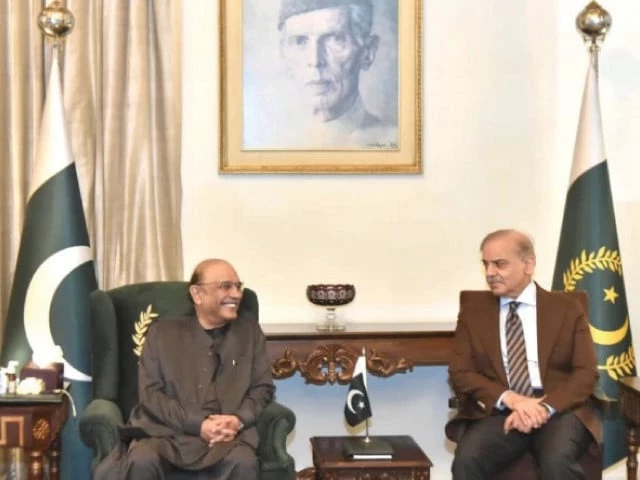
Prime Minister Shehbaz Sharif on Monday extended the nationwide austerity drive and fuel conservation measures until June 13 as the government continues to manage economic pressure caused by the Middle East conflict and rising global oil prices.
According to a Cabinet Division notification, the extension was approved following recommendations from the committee monitoring fuel conservation and implementation of austerity measures, which were first introduced on March 9 after the US-Israeli strikes on Iran led to disruptions in global oil supplies.
Under the extended plan, fuel allowances for official vehicles will remain reduced by 50%, while 60% of government vehicles will stay off the roads. Operational vehicles, including ambulances and public buses, are exempt from the restrictions.
The government also maintained a ban on foreign visits by ministers and officials, except for trips considered essential to national interests. Earlier measures, including a four-day working week for government offices from Monday to Thursday, will continue.
The austerity plan also includes a 25% salary cut for parliamentarians, while employees of state-owned enterprises and government-supervised institutions face reductions ranging from 5 to 30%. Government departments have also been directed to cut non-essential expenditure by 20%
Up to 50% of government employees are also allowed to work from home on alternate days, except in essential services, while officials have been instructed to travel in economy class and prefer virtual meetings over physical ones to reduce costs.
The prime minister has tasked the Intelligence Bureau with conducting a third-party audit to ensure compliance with the measures. Meanwhile, targeted relief, including fuel subsidies for motorcyclists, farmers and transporters, have also been extended to cushion the impact of rising fuel prices.
President urges action
President Asif Ali Zardari directed the use of all possible measures to reduce the impact of inflation on the populace in a meeting with Prime Minister Shehbaz Sharif.
A statement from the presidency said the two held a meeting at the Aiwan-e-Sadr with Deputy PM and Foreign Minister Ishaq Dar, National Assembly Speaker Ayaz Sadiq, Interior Minister Mohsin Naqvi, Law Minister Azam Nazeer Tarar and others also present.
"The president directed possible measures to reduce inflationary pressures, ensure availability of essential goods and provide relief to the common man," the statement said.
The president said that despite the difficult geographical and regional situation, tensions in the Middle East and disruption of the supply chain, maximum relief should be provided to the people.
The statement said the overall situation of the country, matters related to Afghanistan and the changing situation in the region were also discussed in the meeting.
The meeting's participants further paid tribute to the martyrs of last year's May conflict against India and the professional capabilities of the armed forces while reiterating "unwavering commitment to national defence".
The directives came in the wake of the government on Friday raising the prices of both petrol and high-speed diesel (HSD) by Rs15 amid fluctuation in global oil prices due to closure of the Strait of Hormuz. It was the second hike in fuel prices in May.
The sharp increase in petroleum prices has triggered a fresh wave of economic anxiety across Pakistan, with transporters raising fares, businesses warning of mounting operational costs, and ordinary citizens bracing for another inflationary shock in an economy already under severe strain.
(WITH INPUT FROM NEWS DESK)








This material may not be published, broadcast, rewritten, redistributed or derived from. Unless otherwise stated, all content is copyrighted © 2026 The Express Tribune.



COMMENTS
Comments are moderated and generally will be posted if they are on-topic and not abusive.
For more information, please see our Comments FAQ