'We Were Liars' Season 2 will explore 1999 tragedy with new cast additions
Updated 10 minutes ago

Major artists are reducing tour plans as rising household expenses reshape demand for live music events nationwide
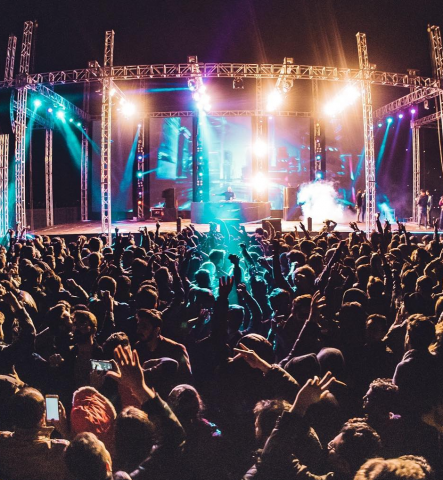
A wave of cancellations and scaled back tours is reshaping the live music industry, with several major artists reducing or withdrawing North American dates as audience spending tightens. Industry observers and reporting suggest that shifting household budgets are playing a central role in the slowdown, as fans increasingly prioritise essential costs over entertainment.
Recent developments include the reunited The Pussycat Dolls cancelling most of their planned North American tour dates after reassessing financial viability. The decision follows similar adjustments across the industry, where artists are responding to weaker than expected demand for high priced concert tickets.
Other performers including Meghan Trainor, Zayn Malik and Post Malone have also either cancelled shows or revised touring schedules in recent weeks. While official statements often cite logistics or production challenges, multiple reports indicate that ticket sales pressure has become a significant underlying factor.
Promoters have noted that rising costs across travel, staffing and venue production have pushed ticket prices higher than in previous years. At the same time, households in several regions are facing increased living expenses, leaving less discretionary income available for concerts and large scale events. This combination has created a difficult environment for tours that rely on strong advance sales to remain financially sustainable.
The trend has been particularly visible in large venue bookings, where even well known acts are struggling to maintain expected attendance levels. In some cases, organisers have been forced to restructure festival line ups after headliners withdrew, creating ripple effects for supporting artists and local economies that depend on tourism linked to major events.
Reports from industry tracking suggest that cancellations are no longer isolated incidents but part of a broader recalibration within live entertainment. Touring models that once relied on guaranteed sellouts are now being reassessed, with artists and management teams adopting more cautious strategies.
While some cancellations are attributed to creative decisions or scheduling conflicts, the financial pressures facing audiences are increasingly difficult to ignore. Analysts suggest that the current pattern reflects a wider economic shift in discretionary spending, where entertainment is one of the first areas affected when household budgets tighten.
Despite the current slowdown, the live music sector remains active, with many artists still selling out smaller venues or shifting to more targeted regional runs. However, the overall trend indicates a period of adjustment, as both performers and promoters adapt to changing audience behaviour.
The situation highlights a growing divide between rising production costs and consumer willingness to pay, suggesting that the touring landscape may continue to evolve in response to economic pressures rather than returning to previous norms.














This material may not be published, broadcast, rewritten, redistributed or derived from. Unless otherwise stated, all content is copyrighted © 2026 The Express Tribune.






COMMENTS
Comments are moderated and generally will be posted if they are on-topic and not abusive.
For more information, please see our Comments FAQ