Russia and China say the world is in danger of a return to the 'law of the jungle'
Updated 1 hour ago

Exit of UAE widens rift with Saudi Arabia, which is effectively OPEC's leader
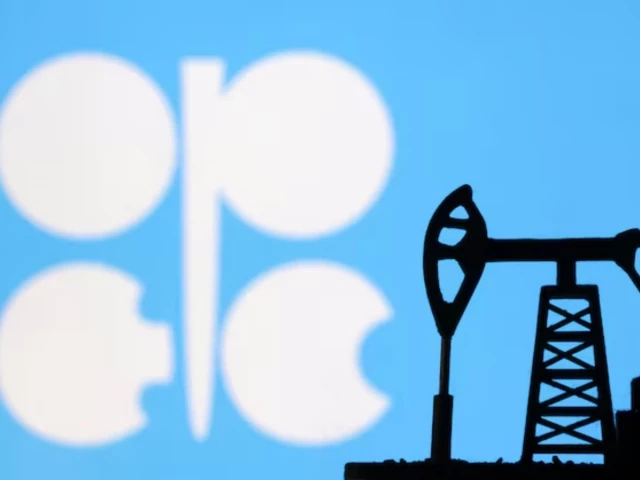
The United Arab Emirates is reassessing its role and contributions across multilateral organisations but is not considering any further withdrawals at this time, a UAE official told Reuters on Wednesday, a day after Abu Dhabi announced its withdrawal from the Organisation of the Petroleum Exporting Countries (OPEC).
The Emirati official, who spoke on the condition of anonymity, said the country was broadly reviewing the utility of its membership in multilateral organisations.
The statement came amid intense speculation that Abu Dhabi could exit other regional bodies, including the Arab League and the Gulf Cooperation Council (GCC), following its surprise decision to leave and OPEC+ effective May 1.OPEC
The UAE's exit, one of the group's biggest producers, widens a rift with its neighbour, Saudi Arabia, which is effectively OPEC's leader.
Read More: UAE leaves OPEC and OPEC+ in huge blow to global oil producers' group
Once firm allies, Abu Dhabi and Riyadh have developed a simmering rivalry, clashing on issues from oil policy and regional geopolitics to the race for foreign talent and capital.
The comments add to a broader reassessment of alliances underway in Abu Dhabi since the start of the Iran war, with the GCC facing some criticism for what Abu Dhabi has called an inadequate response to the conflict.
"It is true that, logistically, the GCC countries supported each other, but politically and militarily, I think their position was the weakest in history," senior UAE official Anwar Gargash told a conference in the UAE on Monday.
"I expected such a weak position from the Arab League, and I am not surprised by it, but I have not expected it from the GCC, and I am surprised by it."
Gargash had earlier signalled that the UAE would "scrutinise" its regional and international relations to "determine who can be relied upon", pairing that review with measures to strengthen the UAE's economic and financial position.
"Strategic autonomy remains the UAE's enduring choice," Gargash has said.
The UAE is a regional business and financial hub and one of Washington's most important allies. It has pursued an assertive foreign policy and carved out its own sphere of influence across the Middle East and Africa.
Also Read: Oil prices trim gains after UAE exits OPEC, OPEC+
Having come under attack during the Iran war, the UAE has strengthened its relationships with the United States and Israel, with which it opened ties in the 2020 Abraham Accords.
It views the relationship with Israel as a lever for regional influence and a unique channel to Washington.









This material may not be published, broadcast, rewritten, redistributed or derived from. Unless otherwise stated, all content is copyrighted © 2026 The Express Tribune.






COMMENTS
Comments are moderated and generally will be posted if they are on-topic and not abusive.
For more information, please see our Comments FAQ