Family parks to boost tourism
Updated May 11, 2026

Shahi Khatta crumbles under load; encroachments worsen drainage woes
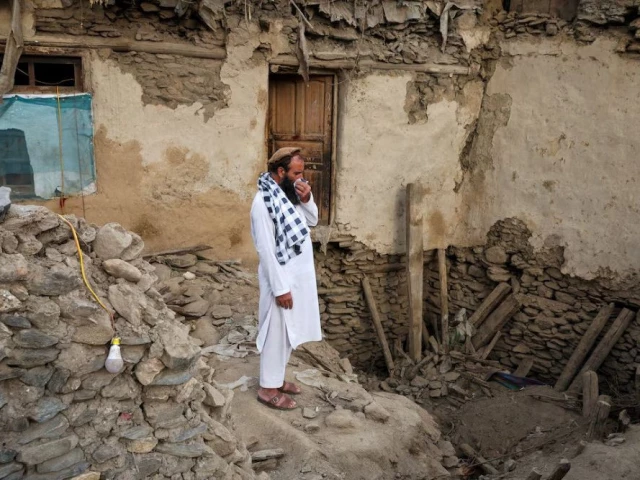
The centuries-old Shahi Khatta, a historic royal sewer system passing through the inner city of Peshawar, is rapidly deteriorating, with its walls and roofs becoming dangerously weak.
In a worrying incident on Monday, the fragile roof of the Shahi Khatta in the Kohati area collapsed under the weight of a passing tractor, causing the road to cave in. The tractor driver sustained injuries in the accident.
According to local accounts, the Shahi Khatta, believed to date back several centuries, has seen its condition worsen significantly in recent years. Built originally for stormwater and wastewater drainage, the historic structure now suffers from widespread encroachments. Shops, cabins, and illegal constructions have sprung up at multiple points along the sewer, particularly in areas such as Kohati, Qissa Khwani, Mohalla Khudadad, Peeple Mandi, the old vegetable market, Reti Bazaar, and Ashraf Road, eventually emerging at Shahi Bagh.
Residents say that due to these encroachments and the age-related decay of the centuries-old walls and ceilings, proper cleaning and maintenance of the Shahi Khatta have become nearly impossible. During monsoon rains, the blocked drainage system causes severe flooding across the old city, turning streets into waterways.
Sardar Asad Ali Qazilbash, a leader of the Imamia Islahi Committee Peshawar, expressed deep concern over the dilapidated state of the Shahi Khatta. He has demanded immediate intervention by the district administration and concerned departments to prevent further collapses and potential loss of life.
Local citizens have urged the authorities to urgently repair the weakened walls and roofs of the historic sewer and to remove all illegal encroachments so that the Shahi Khatta can once again function effectively and protect the old city from flooding.






This material may not be published, broadcast, rewritten, redistributed or derived from. Unless otherwise stated, all content is copyrighted © 2026 The Express Tribune.







COMMENTS
Comments are moderated and generally will be posted if they are on-topic and not abusive.
For more information, please see our Comments FAQ