Reports on budget authority shift termed misleading
Updated 2 hours ago

Energy costs, currency pressures drive price stickiness as food inflation remains vulnerable
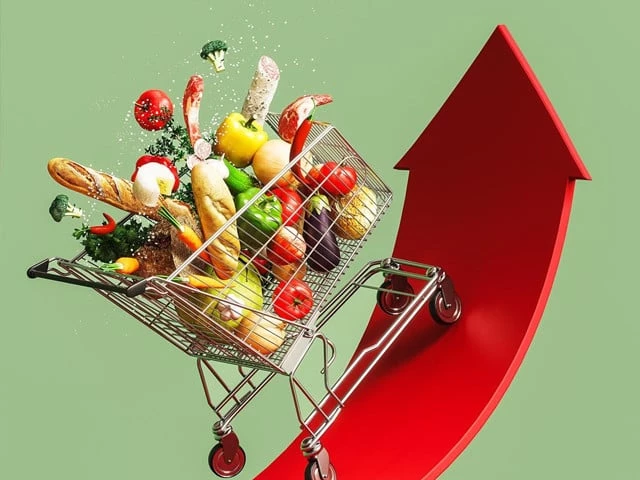
Inflation is expected to remain in double digits in April 2026 as underlying cost pressures continue to dominate the economic outlook. Despite some easing in food supply conditions, overall price dynamics remain elevated, driven by persistent energy costs, currency-related pressures and structural supply-side constraints, according to a research preview.
An Optimus Capital report released on Wednesday highlights that energy inflation remains the primary driver of price stickiness, with year-on-year levels expected to approach around 30% in April 2026. It attributed this persistence to sustained global oil prices, limited fiscal space for subsidies and continued pass-through effects of fuel adjustments. As a result, transportation costs are expected to remain volatile, directly feeding into overall inflation readings and indirectly affecting other categories such as logistics and food distribution.
Food inflation, while comparatively contained in headline terms, is still vulnerable to intermittent shocks. Optimus analyst Maaz Azam notes that although supply conditions have improved in certain segments, the benefits are uneven and temporary. Seasonal supply patterns, infrastructure bottlenecks and border-related disruptions continue to create localised shortages. In particular, agricultural income remains sensitive to logistics inefficiencies, which may offset gains from improved harvests in select crops.
The report also underscores converging inflation risks from multiple external and domestic channels. On one hand, the easing of trade flows through the Iran-Central Asia corridor could potentially help alleviate supply constraints over time by improving regional connectivity and reducing dependency on traditional routes. On the other hand, the continued closure or restricted functioning of the Afghan border remains a key structural impediment, limiting the smooth flow of essential commodities and creating periodic price distortions.
Additionally, seasonal weather patterns are emerging as a medium-term risk factor. The potential onset of El Niño conditions from mid-2026 could disrupt agricultural cycles, water availability and crop yields. This introduces further uncertainty into food inflation projections, particularly for staples that are highly weather-sensitive. While current water reservoir levels are reported to be relatively better than last year, the outlook remains cautiously monitored due to climate variability risks.
For April 2026, the report expects the National Consumer Price Index (NCPI) to rise by around 10% year-on-year, marking a continuation of double-digit inflation conditions. On a month-on-month basis, inflation is likely to be led by transport-related increases, primarily driven by fuel price adjustments. Housing and utilities are also expected to contribute modestly, while LPG prices may add incremental pressure. Food inflation, although relatively subdued on a monthly basis, is still expected to remain positive, preventing any meaningful easing in headline inflation.
Core inflation is projected at around 10% year-on-year, reflecting persistent underlying demand pressures and limited room for disinflation in the near term. The stickiness in core inflation suggests that price pressures are not purely seasonal or supply-driven but are also embedded within broader structural factors, including wage adjustments, exchange rate pass-through, and input cost rigidity in manufacturing and services.
Looking ahead, Azam maintains that the macroeconomic environment remains fragile and highly sensitive to external developments. While government efforts to secure external financing have helped stabilise short-term balance of payments concerns, challenges remain on the inflation and growth front. Oil prices are expected to remain sticky, while exchange rate fluctuations and imported inflation risks continue to pose upside threats to the inflation outlook. In this context, the State Bank of Pakistan (SBP) is expected to remain cautious in its monetary policy stance. Although there is still room for policy easing, a 50 basis point rate cut cannot be ruled out; it will largely depend on the evolution of inflation trends, external account stability and overall economic conditions heading into September-October 2026. For now, the central bank is likely to maintain a data-dependent approach, balancing growth support with inflation containment, said the report.








This material may not be published, broadcast, rewritten, redistributed or derived from. Unless otherwise stated, all content is copyrighted © 2026 The Express Tribune.














COMMENTS
Comments are moderated and generally will be posted if they are on-topic and not abusive.
For more information, please see our Comments FAQ