Court rejects bail in doctor shooting
Updated 16 hours ago

Insulin and essential medicines slip beyond the reach of low-income families
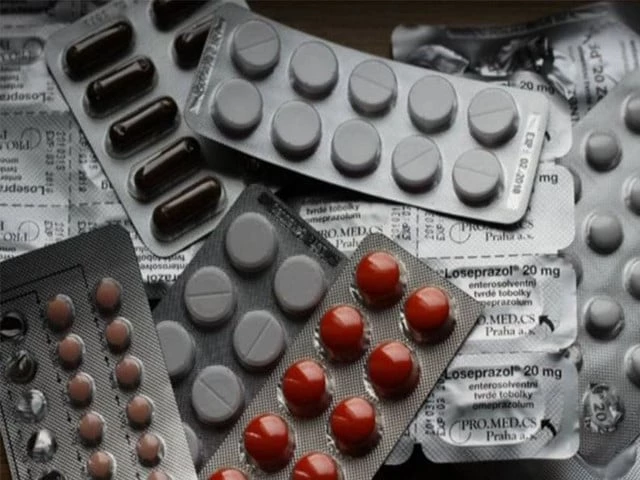
A sharp surge in petroleum prices has rippled through the economy, driving up the cost of essential goods, including life-saving medicines, and placing immense strain on patients and low-income households.
The impact has been particularly severe for people suffering from chronic illnesses, as the prices of critical drugs such as insulin have soared beyond the reach of many. Private pharmaceutical companies have increased the prices of several medicines without prior notification, compounding the burden on middle- and lower-income groups already grappling with inflation.
Insulin, a vital drug for diabetes patients, has witnessed one of the steepest hikes, rising from Rs2,200 to as high as Rs4,720. Similarly, medicines used for indigestion and acidity have increased from Rs530 to Rs620, while vitamins and dietary supplements have gone up from Rs480 to Rs510. Drugs used to treat typhoid have climbed from Rs805 to Rs930, and medicines for cancer treatment, as well as those used during pregnancy, have also seen an increase of around Rs400.
Zafar Ali, a resident of Peshawar, told The Express Tribune that he has been living with diabetes for the past decade and relies on daily insulin injections. He said the current wave of inflation, driven in part by rising fuel costs, has made it nearly impossible for him to continue his treatment. "My salary is Rs40,000 a month, and I cannot afford medicine that now costs Rs4,000," he said, adding that the price of insulin has effectively doubled in recent months.
Ali further alleged that the situation has been worsened by artificial shortages created by some medical stores seeking to profit from higher prices. "On one hand, medicines have become more expensive, and on the other, some pharmacies are hoarding stock, making drugs even harder to access," he said.
Arshad Mohmand, coordinator of the Khyber-Pakhtunkhwa Medical Drug Association, revealed that the prices of insulin, cancer drugs, and other life-saving medicines have increased by Rs1,000 to Rs4,000. He said many medical stores do not display official rate lists, while others charge arbitrary prices from customers.
Mohmand also pointed to weak regulatory oversight, claiming that several pharmacies operate without proper licenses or use fake documentation. "The government has yet to effectively regulate medical stores," he said, urging authorities to strengthen enforcement mechanisms. He called for making the Drug Regulatory Authority of Pakistan more active and autonomous, increasing the number of drug inspectors in the province, and imposing strict penalties on those who violate official pricing rules.
Responding to the concerns, Chief Drug Controller Khyber-Pakhtunkhwa, Dr Abbas Khan, told The Express Tribune that the pricing of essential medicines falls under the jurisdiction of the federal government. He explained that under existing laws, including the DRAP Act 2012, the Drug Act 1976, and the Pricing Policy 2018, the authority to fix prices rests with the federal cabinet.
He added that provincial governments are responsible for regulating medicines in accordance with the prices approved by the federal authorities and the Drug Regulatory Authority of Pakistan, underscoring the need for coordinated action to address the growing crisis faced by patients.





This material may not be published, broadcast, rewritten, redistributed or derived from. Unless otherwise stated, all content is copyrighted © 2026 The Express Tribune.











COMMENTS
Comments are moderated and generally will be posted if they are on-topic and not abusive.
For more information, please see our Comments FAQ