22 Iranian crew repatriated via Pakistan
Updated 2 hours ago

.
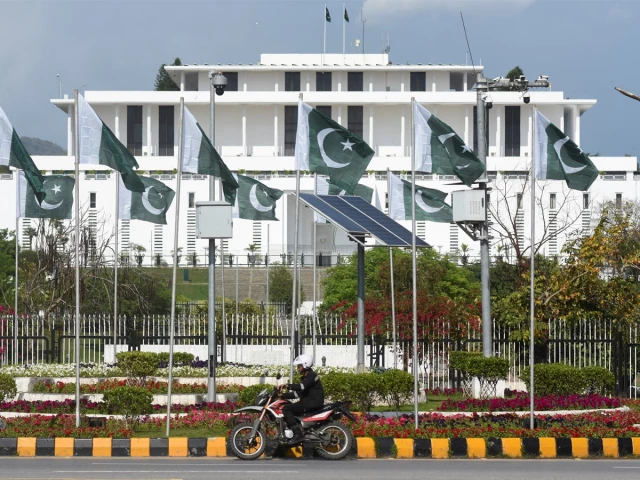
Despite ongoing tensions between Iran and the United States, recent diplomatic developments signal an important turning point.
At first glance, this may appear to be merely a phase of temporary ceasefire and incomplete negotiations, but a deeper assessment suggests this progress is laying the groundwork for a major diplomatic breakthrough, one in which Pakistan's role has assumed central importance.
The talks held in Islamabad made it clear that Pakistan is no longer just a regional player but is emerging as an active mediator.
Continuous diplomacy spanning 31 hours succeeded in bringing both sides to agree on a ceasefire and helped establish a diplomatic framework upon which future negotiations can be built.
This development reflects Pakistan's shift from traditional diplomacy to a more proactive and result-oriented role, which is being appreciated globally.
Under the leadership of Prime Minister Shehbaz Sharif, Pakistan brought together Saudi Arabia, Turkiye, and Egypt to form an informal yet effective regional diplomatic bloc.
This alignment could not only help build trust between Iran and the United States but may also serve as a model for resolving other regional conflicts.
Although there has been positive progress on the diplomatic front, the situation in the Strait of Hormuz remains sensitive. Strong statements from the United States and responses from Iran indicate that ground realities are still complex.
This tension could impact global oil supplies, and even a minor confrontation could have far-reaching regional consequences. However, the restoration of diplomatic channels keeps hope alive that the situation can remain under control.
The Islamabad Talks have benefited Pakistan not only diplomatically but also in terms of its soft image.




This material may not be published, broadcast, rewritten, redistributed or derived from. Unless otherwise stated, all content is copyrighted © 2026 The Express Tribune.










COMMENTS
Comments are moderated and generally will be posted if they are on-topic and not abusive.
For more information, please see our Comments FAQ