Tola budget proposes rupee at 250 per dollar
Updated 7 hours ago

Calls steep diesel price reduction corporate setback, systemic shock
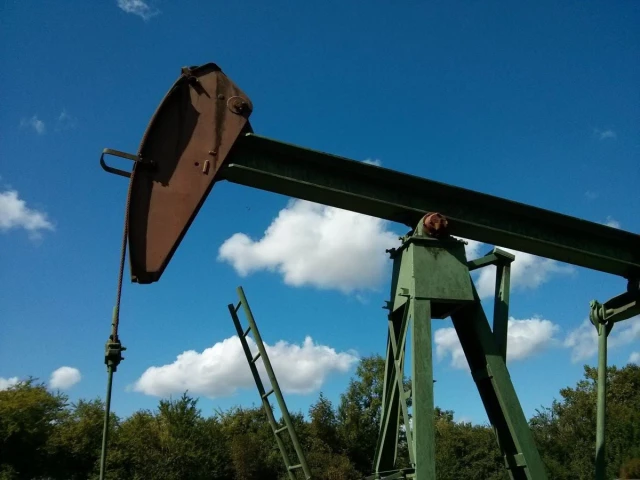
The oil industry has expressed fear that it is going to face an inventory loss of Rs100 billion, which will deal a blow to the entire sector.
"The diesel price cut forces them to sell the fuel at a loss of up to Rs135 per litre. The estimated impact – over Rs100 billion in inventory losses – is not just a corporate setback; it is a systemic shock," an industry official said, adding that the steep reduction in diesel prices brought relief but at a hidden cost to Pakistan's fuel supply chain.
Without reform, today's relief could become tomorrow's crisis, background discussions with industry officials revealed.
Late Friday's reduction in diesel prices, from Rs520 to Rs385 per litre, has been welcomed by consumers across the country. For farmers, transporters and households, already reeling from rising inflation, the decision offers a genuine respite.
However, beneath this moment of relief lies a deeper concern among industry players. "The question is not whether prices should fall but whether our system can absorb such shocks without putting energy security at risk," they said, adding that in just eight days, Pakistan's oil sector experienced a record surge followed by a dramatic reversal.
Oil marketing companies (OMCs), responsible for importing and distributing fuel, are required to maintain stock levels to ensure uninterrupted supply. When diesel was priced at Rs520, they imported accordingly, financing these purchases through bank credit. There is no mechanism to absorb such losses. When prices rise, gains are scrutinised. When prices fall, losses are quietly internalised. This asymmetry reflects a deeper policy gap, they argued.
Much of the trade relies on post-dated cheques. Dealers receive fuel on credit and commit to future payments, while OMCs depend on these inflows to meet their obligations – repaying banks and financing imports.
But when the purchase price diverges sharply from the selling price, this system begins to strain. Dealers, who bought diesel at Rs520, are now selling it at Rs385. The cheques they issued no longer reflect reality. Defaults and delays are already emerging, the industry officials complained.
This is how systems weaken – not through sudden collapse, but through the erosion of confidence. And once trust falters, liquidity follows. When liquidity tightens, supply chains soon feel the strain.
The crisis also exposes weaknesses in how fuel pricing is determined. Pakistan's pricing mechanism relies on selecting the lowest international benchmark within a given period. In practice, the OMCs do not procure fuel at the lowest price; they buy at prevailing averages, shaped by logistics and contracts. The result is a persistent gap between assumed and actual costs – losses that grow during volatility.
Similarly, the fixed premium allowed for imports no longer reflects market reality. At a time when global premiums surged to around $30 per barrel, the formula continued to recognise just over $5. This disconnect is not merely technical; it reflects a framework that has not kept pace with global markets.
Pakistan has seen this pattern before. In the power sector, small mismatches between cost and recovery evolved into the circular debt crisis. The oil sector now shows similar signals like unrecognised costs, absorbed losses and systemic risks building quietly.
The difference is that fuel shortages are immediate and visible. When supply is disrupted, the effects emerge quickly – through transport, food prices and industry.
"We cannot continue to treat systemic shocks as isolated events. Each time we ignore underlying weaknesses, we push the burden forward and future corrections only grow more painful," the industry officials warned. "Energy policy is not merely about price adjustments; it is about protecting the arteries that keep an economy alive."





This material may not be published, broadcast, rewritten, redistributed or derived from. Unless otherwise stated, all content is copyrighted © 2026 The Express Tribune.










COMMENTS (1)
Comments are moderated and generally will be posted if they are on-topic and not abusive.
For more information, please see our Comments FAQ