Karachi sees massive spike in street crime
Updated 18 hours ago

Tens of thousands in informal settlements battle daily for clean water, sanitation
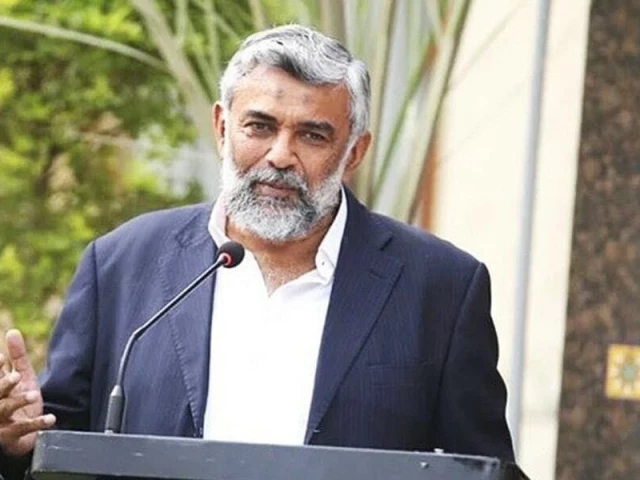
Pasban Democratic Party Chairman Altaf Shakoor has sounded the alarm over the worsening humanitarian crisis in Karachi's informal settlements, villages, and slums, where severe water shortages, overflowing garbage, and bubbling open sewers are making everyday life unbearable. He accused city authorities of criminal negligence, warning that their inaction is pushing the crisis to alarming levels.
With a population exceeding 20 million, Karachi's urban services remain concentrated in select neighbourhoods, leaving millions of residents deprived of basic amenities. Citizens in slums struggle daily for survival, denied fundamental rights such as access to clean water, sanitation, and proper drainage systems. "There is a stark bias in the distribution of city services," Shakoor said. "Affluent areas and major thoroughfares are prioritised, while poor communities are ignored - this is a grave injustice."
Shakoor emphasised that the issue is not a lack of resources but a failure of governance. Weak coordination between agencies, poor oversight, and lack of accountability have crippled service delivery. He demanded urgent measures to improve water supply, crackdown on the tanker mafia, implement effective waste management systems, and restore the city's drainage infrastructure.
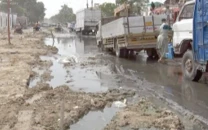
Highlighting the plight of slum residents during a Pasban Executive Committee meeting, Shakoor said, "Access to clean water in these areas has become highly uncertain. Many households go days without water, and when it does arrive, it is insufficient. Water supply systems are broken, while illegal connections and leaks worsen the situation. It is shocking that in a coastal city, poor citizens are desperate for every drop of water."
He condemned the exploitation by water tankers, which sell water at exorbitant prices, forcing families to make impossible choices between food, healthcare, or water - a human tragedy of immense proportions.
Sanitation, too, has collapsed. With no organised garbage collection, streets are piled with filth, creating unhygienic conditions that breed disease and endanger public health.
Despite government efforts to outsource waste management to private firms, Shakoor noted, the situation has deteriorated in many areas, raising serious questions about transparency and accountability.












This material may not be published, broadcast, rewritten, redistributed or derived from. Unless otherwise stated, all content is copyrighted © 2026 The Express Tribune.








COMMENTS
Comments are moderated and generally will be posted if they are on-topic and not abusive.
For more information, please see our Comments FAQ