60-day ceasefire extension reached but Trump must approve, source says
Updated 29 minutes ago

Spokesman for parliament’s national security commission says pointless for Iran to remain part of the treaty
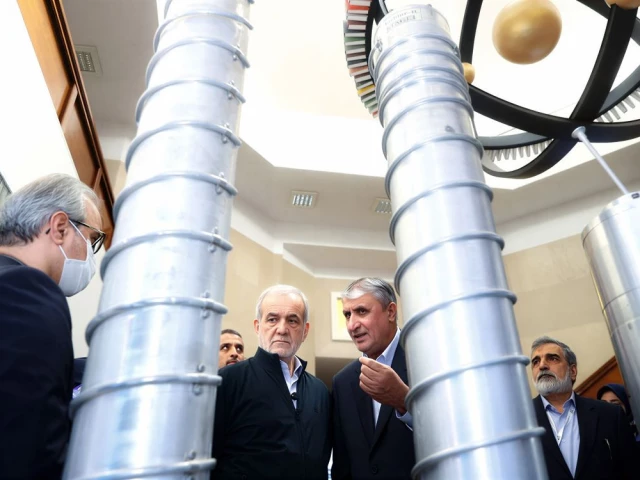
The possibility of Iran's withdrawal from the Nuclear Non‑Proliferation Treaty (NPT) is under discussion in Tehran, Iranian media reported on Saturday.
Relevant government bodies, including parliament, are currently "urgently" mulling withdrawal, Iran's semi-official Tasnim News Agency reported.
Iranian MP Malek Shariati said an "emergency plan to support the nuclear rights" of Iran has three main areas.
طرح #سهفوریتی حمایت از حقوق هستهای ملت ایران در ۳محور:
— مالک شریعتی (@malekshariati) March 27, 2026
۱.اعلام خروج از #NPT
۲.لغو قانون اقدام متقابل در اجرای #برجام
۳.حمایت از پیمان جدید بینالمللی با کشورهای همسو (ازجمله شانگهای/بریکس) در توسعه فناوریهای صلح آمیز هستهای
در سامانه مجلس بارگذاری و به معاون قوانین ارجاع شد. pic.twitter.com/DKncINNjXe
These include a declaration of withdrawal from the NPT, the cancellation of the countermeasure law in implementing the 2014 Iran nuclear deal, and support for a new international agreement with like-minded countries for the development of peaceful nuclear technologies, including Shanghai and the BRICS bloc of Brazil, Russia, India, China, South Africa, and others.
Read More: Iran's president tells PM Shehbaz trust needed for talks to end Middle East conflict
The spokesman for parliament’s national security commission, Ebrahim Rezaei, also posted on X, saying, "It would be pointless for Iran to remain part of the treaty as it has yielded no benefit."
ادامه عضویت ایران در NPT بیمعناست، NPT هیچ مزیتی برای ما نداشته است.
— ابراهیم رضایی (@EbrahimRezaei14) March 27, 2026
پیمان NPT نه تنها کشور ما را از گزند حمله قدرتهای هستهای حفظ نکرده بلکه به تاسیسات هسته ای کشورمان مکرراً حمله شده و اساساً اسناد و توافقات بین المللی به کل نادیده گرفته شده است.
ما هیچ قصدی برای تولید بمب…
The possibility of withdrawal comes with the entire region on alert since the US and Israel launched an air offensive on Iran on February 28, killing over 1,900 people, including then-Supreme Leader Ali Khamenei.
Though analysts say the US has not been clear in its objectives in the war, Washington has long objected to Iran enriching nuclear material to weapons-grade.
Iran responded to the offensive with drone and missile attacks targeting Israel, as well as Jordan, Iraq, and Gulf countries hosting US military bases, causing casualties, infrastructure damage, and disruption to global markets and aviation.








This material may not be published, broadcast, rewritten, redistributed or derived from. Unless otherwise stated, all content is copyrighted © 2026 The Express Tribune.











COMMENTS
Comments are moderated and generally will be posted if they are on-topic and not abusive.
For more information, please see our Comments FAQ