Govt slashes jet fuel price by Rs48 per litre
Updated 1 hour ago

Experts warn foreign species may harm local ecosystems despite rapid urban greening benefits
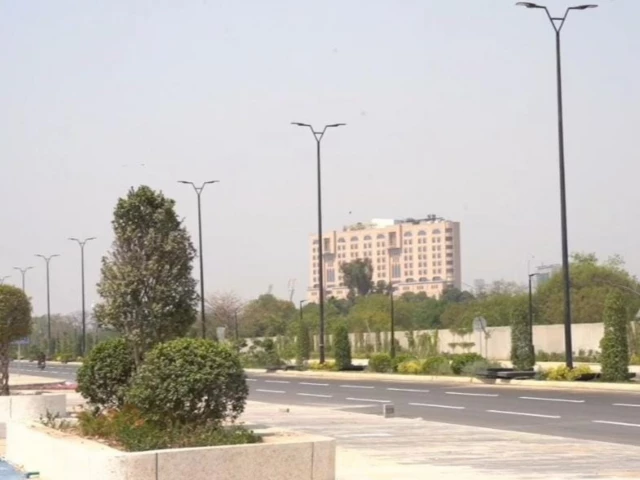
For several decades, large numbers of non-native trees and plants have been planted in urban afforestation projects and new housing societies in Lahore. However, botanists argue that while these trees may provide rapid greenery in urban environments, they can also have a negative impact on local biodiversity and the ecological balance.
Over the years, various non-native species have been planted along Lahore's roads, in parks, green belts, and private housing societies. Prominent among these are conocarpus, eucalyptus, paper mulberry, mesquite, lantana, and bottlebrush. These trees can be found in parks such as Jilani Park, Gulshan-e-Iqbal Park, and Model Town Park, as well as along major roads. In areas like Gulberg and Model Town, Australian species such as gum and bottlebrush trees are common, while along Canal Road and in Defence, fast-growing species originating from South America have been planted in large numbers.
According to a report by the Urban Unit, an urban planning organisation, many of the trees and plants introduced in Lahore originate from other countries and were not historically part of the local ecosystem. Mian Abdul Rehman, a representative of a plant nursery in Lahore, explains that certain non-native trees are preferred in urban areas because they grow quickly, can withstand intense heat, and survive relatively well in polluted environments. "Nurseries often recommend such species to provide rapid greenery in a short period of time," said Rehman.
However, botanists have expressed concerns about this trend. According to the Lahore City Biodiversity Action Plan, certain non-native and invasive species such as paper mulberry, conocarpus, and eucalyptus can threaten native vegetation and disrupt the natural habitats of birds and other wildlife. Experts also point out that some foreign trees consume large amounts of water, deplete soil nutrients, and in some cases contribute to allergy-related health issues.
Professor Dr Abdul Rehman Khan Niazi of the Institute of Botany at the University of Punjab states that trees such as eucalyptus can affect groundwater levels, while the pollen of paper mulberry has been linked to an increase in allergy cases in urban areas. "Aquatic plants like water hyacinth can also pose risks to native aquatic life, as they spread rapidly across water surfaces and create problems for other organisms. Species such as vilayati kikar, lantana, and other non-native plants are spreading rapidly across different parts of the country," said Dr Niazi.
Research studies also highlight this issue. A study conducted by researchers at the University of Education Lahore identified 14 non-native and invasive plant species in surveys carried out between 2015 and 2017 across different areas of the city. Of these, eight species originated from the United States, three from Europe, and one each from China, Australia, and Mexico. Experts estimate that around 700 foreign plant species have been recorded in Pakistan, many of which are classified as invasive.
In contrast, experts emphasise that native trees are better suited to urban environments. Species such as kikar, sheesham, semal, and tahli are more compatible with the local ecosystem and provide natural food and habitat for birds, insects, and other wildlife.
Experts stress that urban afforestation must consider local ecosystems, water availability, climate, and wildlife. Forestry expert Badr Munir argues that prioritising native trees in cities like Lahore is key to preserving biodiversity and ecological balance.
A spokesperson for the Parks and Horticulture Authority (PHA) stated that there is no legal ban on planting non-native species; however, the authority prioritises native plants in its afforestation campaigns. Officials from the Punjab Forest Department also note that government plantation projects generally follow a policy of promoting indigenous tree species.
Pakistan regulates the import of foreign plants through the Department of Plant Protection under the Ministry of National Food Security. The Pakistan Plant Quarantine Act (1976) requires import permits and phytosanitary certification.
















This material may not be published, broadcast, rewritten, redistributed or derived from. Unless otherwise stated, all content is copyrighted © 2026 The Express Tribune.






COMMENTS
Comments are moderated and generally will be posted if they are on-topic and not abusive.
For more information, please see our Comments FAQ