Trump not happy with latest Iran proposal to end the war, US official says
Updated 40 minutes ago

Demands Israel and the United States first be 'brought to their knees'
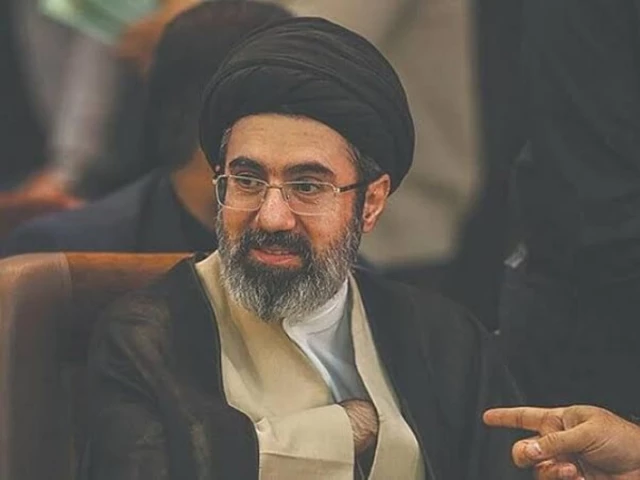
Iran's new supreme leader has rejected de-escalation proposals conveyed to Tehran by intermediaries, demanding Israel and the United States first be "brought to their knees", a senior Iranian official said on Tuesday.
Ayatollah Mojtaba Khamenei had held his first foreign policy session since being named supreme leader, and had taken a stance for revenge against the US and Israel that was “very tough and serious”, the official said, without clarifying whether the leader attended in person or remotely.
The senior official, who asked not to be identified, said two intermediary countries had conveyed proposals to Iran's Foreign Ministry for "reducing tensions or ceasefire with the United States". The official did not give further details of the proposals or the intermediaries.
Read More: Israel claims Iran's national security chief Larijani 'eliminated last night'
The supreme leader had responded that it was not "the right time for peace until the United States and Israel are brought to their knees, accept defeat, and pay compensation."
The supreme leader has the final say in all matters of state in the Islamic Republic. No new images have been released of him since his selection over a week ago by a clerical assembly to replace his father, Ayatollah Ali Khamenei.
Some Iranian officials have said he was lightly injured in the strikes that killed his father. US officials have suggested he suffered severe injuries.
Read More: Fire on US aircraft carrier took over 30 hours to put out: NYT
The US-Israeli war on Iran is in its third week with at least 2,000 people dead and no end in sight. The Strait of Hormuz remains largely closed off, with US allies rebuffing US President Donald Trump's request for help to reopen the critical waterway, raising energy prices and fears of inflation.
In his first public message since selected, which was read out by a state TV broadcaster last week, the new supreme leader said the Strait of Hormuz should remain closed as a tool of pressure on "Iran's enemies".
Three sources told Reuters on March 14 that Trump's administration had rebuffed efforts by Middle Eastern allies to start diplomatic negotiations aimed at ending the Iran war.
On February 28, Israel and the US launched joint attacks on Tehran and several other Iranian cities, assassinating Iran's then-supreme leader Ali Khamenei, along with senior military commanders and civilians.
Iran responded by launching waves of missile and drone strikes targeting Israel and US bases and assets in the Middle East.
Following the assassination of Ayatollah Ali Khamenei, his son Mojtaba was chosen by Iran's Assembly of Experts to succeed his late father as supreme leader, in a sign that hardliners were still firmly in charge.
The clerical body named the 56-year-old mid-ranking cleric, who has survived the US-Israeli air war on Iran, as successor more than a week after Ayatollah Ali Khamenei was killed in an air strike, Iranian media reported.
A member of the council, Ayatollah Mohsen Heidari Alekasir, said that a candidate had been selected based on Khamenei's guidance that Iran's top leader should be "hated by the enemy".





This material may not be published, broadcast, rewritten, redistributed or derived from. Unless otherwise stated, all content is copyrighted © 2026 The Express Tribune.










COMMENTS
Comments are moderated and generally will be posted if they are on-topic and not abusive.
For more information, please see our Comments FAQ