'Suthra Punjab' emerges top public initiative
Updated 11 hours ago

District administrators tasked with checking petrol stations, supply disruption
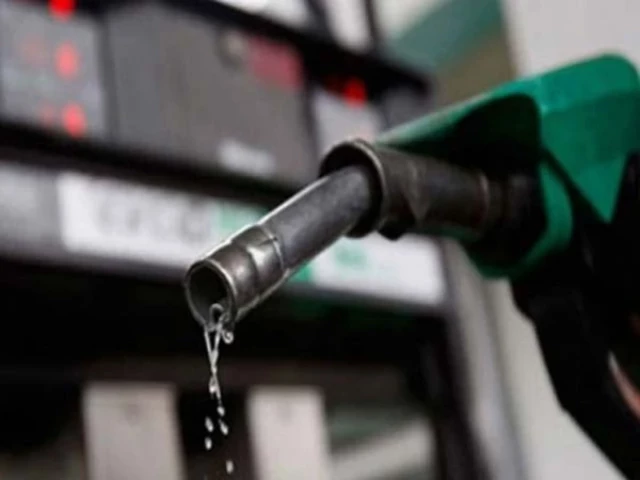
The Punjab government has introduced new standard operating procedures (SOPs) aimed at ensuring uninterrupted fuel supplies and preventing hoarding, as rising tensions in the Middle East push global oil prices higher.
Under a notification, authorities will implement strict monitoring of petroleum stocks, transportation and retail availability across the province. Officials say the measures are designed to prevent artificial shortages and curb illegal fuel transfers at a time of heightened volatility in international energy markets.
The provincial industries department has been designated as the focal authority for petroleum oversight. A dedicated monitoring system will also be established to track the movement and availability of fuel products, according to the notification.
Oil depots across Punjab have been directed to submit detailed daily stock reports to a provincial control room. These reports must include opening stock levels, incoming supplies, daily sales and closing balances to help authorities monitor supply flows in real time.
At the district level, deputy commissioners have been tasked with conducting daily checks at petrol stations to verify fuel availability and ensure compliance with official prices. Local administrations will also monitor customer queues and supply disruptions while taking immediate action against hoarding or unauthorised fuel transfers.
The government has also decided to establish petroleum monitoring committees in each district, headed by the DCs. The committees will include representatives from the police, industries department, civil defence, Punjab Enforcement and Regulatory Authority and oil marketing companies. Their mandate is to review daily supply and demand conditions and recommend rapid corrective measures if shortages emerge.
Transport and logistics are also being brought under tighter scrutiny. Officials say the movement of fuel transport vehicles will be closely monitored, with delivery documentation subject to verification at multiple checkpoints.
Authorities have warned that vehicles found violating fuel transport regulations will face heavy fines, and legal action may be taken against drivers and associated companies.
To strengthen oversight, the government also plans to introduce a mobile application for monitoring petrol pumps and oil depots.
The platform, being developed jointly by the Punjab Information Technology Board and the Urban Unit, will be linked to a digital dashboard and a track-and-trace system intended to improve transparency in petroleum supply chains.
Inspection records will be uploaded through a monitoring application to maintain a centralised database of enforcement activity. Border and highway checkpoints have also been instructed to intensify monitoring of fuel shipments to prevent unauthorised movement of petroleum products.
Officials say the measures are intended to maintain stable fuel availability and avert potential disruptions in the provincial supply chain.
The policy shift comes as global oil markets are under pressure from escalating geopolitical tensions. According to international market data, crude oil prices recently climbed above $100 per barrel amid conflict in the Middle East and disruptions linked to the Strait of Hormuz shipping route.
When petroleum prices rise, transportation expenses increase, pushing up the cost of food, vegetables and other essential goods. Public transport fares often follow suit, adding financial pressure on commuters, particularly students and low-income workers.













This material may not be published, broadcast, rewritten, redistributed or derived from. Unless otherwise stated, all content is copyrighted © 2026 The Express Tribune.






COMMENTS
Comments are moderated and generally will be posted if they are on-topic and not abusive.
For more information, please see our Comments FAQ