'Suthra Punjab' emerges top public initiative
Updated 15 hours ago

HRCP urges recognition of civic services as fundamental rights
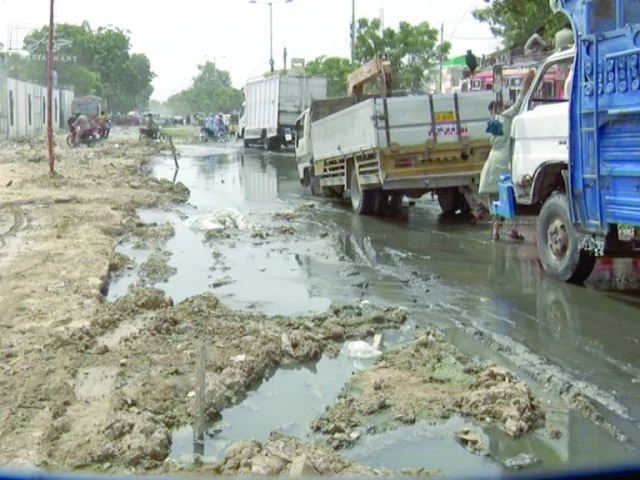
A fact-finding study by the Human Rights Commission of Pakistan (HRCP) has found significant inequality in access to safe water and sanitation across Lahore, with low-income and marginalised groups disproportionately affected.
The report, titled "Urban Exclusion in Access to Water and Sanitation in Lahore," highlights that the city's population of around 13 million is being served by outdated water infrastructure and a failing drainage system. Seasonal flooding during the monsoon has become routine, further exposing gaps in service delivery.
The study was conducted by public policy specialist Dr Imdad Hussain. It states that bureaucratic inefficiencies, outdated regulatory frameworks and limited citizen participation have compounded long-standing structural problems. Rapid urban expansion, uncoordinated planning and the growing impact of climate change have further strained access to safe water and sanitation.
According to the report, residents of informal settlements and low-income neighbourhoods face the greatest barriers.
Women, transgender persons, children and persons with disabilities are identified as particularly vulnerable due to inadequate and non-inclusive sanitation facilities.
The HRCP has called for equitable and participatory urban water governance, urging authorities to recognise water and sanitation as fundamental human rights.
It recommends legislation to align domestic law with Pakistan's international commitments on the right to water and sanitation.
The report calls for prioritising informal and low-income settlements, ensuring that access to services is not linked to land ownership. It recommends the provision of gender-inclusive and fully accessible public toilets, along with enforceable legal protections for transgender persons and persons with disabilities.
Among other measures, the study proposes the introduction of water metering to rationalise use and reduce wastage.
It also urges authorities to end hazardous manual sewer entry and enforce strict occupational health and safety standards to protect sanitation workers.
The commission has additionally recommended the establishment of community-based complaint mechanisms to address local water and sanitation issues promptly. It calls for institutionalised climate preparedness, including early-warning systems.










This material may not be published, broadcast, rewritten, redistributed or derived from. Unless otherwise stated, all content is copyrighted © 2026 The Express Tribune.






COMMENTS
Comments are moderated and generally will be posted if they are on-topic and not abusive.
For more information, please see our Comments FAQ