China lauds Pakistan’s mediation role in US-Iran talks, stresses durable ceasefire
Updated 1 hour ago

US, China, Russia, Iran urge restraint as Operation Ghazab-lil-Haq escalates along border
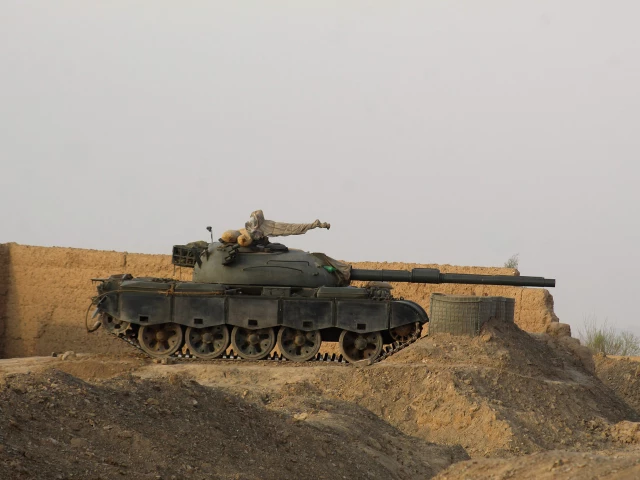
Information Minister Attaullah Tarar said on Saturday that security forces had killed 352 Taliban terrorists in a major military operation launched after what the federal government described as unprovoked cross-border attacks from Afghanistan, as regional and global powers urged restraint amid rising tensions.
The government said “Operation Ghazab-lil-Haq” was launched late on Thursday following renewed clashes along the Pakistan-Afghanistan border.
In a statement posted on X, Information Minister Attaullah Tarar said that as of 9pm on Saturday, at least 352 Afghan Taliban, Tehreek-e-Taliban Pakistan (TTP) fighters and other terrorists had been killed, with more than 535 wounded.
Operation Ghazb lil Haq
— Attaullah Tarar (@TararAttaullah) February 28, 2026
Update 2100 hours 28 February
✅ Summary of Afghanistan Taliban losses
▪️352 Killed,
▪️535 + Injured,
▪️130 Check posts destroyed,
▪️26 Post Captured,
▪️171 Tanks and Armed vehicles Destroyed
▪️41 locations across Afghanistan effectively targeted…
He said Pakistani forces destroyed 130 Taliban posts, seized 26 others and disabled 171 tanks and armoured personnel carriers. Air strikes were carried out at 41 locations inside Afghanistan, he added.
Pakistani officials said the operation was aimed at armed groups aligned with the Afghan Taliban, whom Islamabad accuses of mounting repeated cross-border attacks.
Read: Pakistan continues decisive strikes on Afghan Taliban under 'Operation Ghazab Lil Haq'
Fighting continued overnight, with Pakistani ground and air forces pressing operations in multiple sectors.
Security sources said the Pakistan Air Force struck brigade and battalion headquarters linked to Afghan Taliban forces in Nangarhar province. Pakistani troops also captured and demolished the New Afghan 8 post, while another position in the Noshki sector was destroyed.
In separate updates issued through the night and Saturday, security sources said Pakistani forces were carrying out “decisive operations” in response to what they called unprovoked aggression by the Afghan Taliban regime.
Pakistani forces carried out air strikes in Kandahar, targeting and destroying what security sources described as an Afghan army headquarters, as “Operation Ghazab-lil-Haq” continued to expand.
The Pakistan Air Force successfully targeted two objectives at the Mohmand Dara base in Afghanistan’s Nangarhar province, security sources said.
In Operation Ghazab Lil Haq, the Afghan Taliban regime is facing heavy casualties and material losses at the hands of Pakistan.
They said the Pakistan Army is successfully destroying Afghan Taliban military installations in response to the Afghan Taliban regime’s aggression.
The Pakistan Air Force also effectively targeted and destroyed the Afghan army’s brigade headquarters in Afghanistan’s Nangarhar province, security sources said.
The Afghan Taliban regime is facing a full-scale retreat on every front following what Pakistan describes as unprovoked aggression along the Pak-Afghan border.
In an update issued at 10:10am, security sources said the Pakistan Army was conducting “full and powerful retaliatory operations” in response to what they called aggression by the Afghan Taliban.
The Pakistan Air Force “effectively targeted and destroyed” an Afghan army headquarters during an air strike in Kandahar, the sources said.
They added that Pakistani forces were successfully destroying Afghan Taliban military installations in response to what they described as aggression by the Taliban regime.
“Pakistan’s armed forces stand resolute and unwavering in defending the country’s borders,” security sources said.
In Chitral’s Kandaksi base sector, Pakistani forces inflicted heavy damage on an Afghan Taliban position, the sources said.
In the Khyber sector, they said Afghan Taliban posts and camps suffered “severe damage” during effective operations, adding that the Khyber post was destroyed.
In the Noshki sector, Pakistani forces “successfully targeted and destroyed” an Afghan Taliban post. “Operation Ghazab-lil-Haq is ongoing and will continue until its objectives are achieved,” security sources said.
Read more: Relentless reckoning for Taliban
In the Qila Saifullah sector, security sources said the Rahim Thana post on the Afghan side was destroyed. They added that Taliban forces were facing setbacks “on every front” after what they described as unprovoked aggression along the border.
“Pakistani forces are not targeting any civilian population or civilian targets,” the sources said.
In another update, security sources said an infiltration attempt in the Qila Saifullah sector was foiled and that multiple terrorists were killed. They added that the movement of terrorists along the border was under close surveillance.
In the Ghulam Khan sector, an Afghan post was destroyed and caught fire, according to security sources, who said the resolve of the security forces to defend the country was “unwavering”.
In the Azam Warsak sector, the Afghan Taliban’s Shaga post was destroyed, they said, adding that the operation would continue until all objectives were met.
The United States said it was closely monitoring the situation. Allison Hooker, the US Under Secretary of State for Political Affairs, said she had spoken with Pakistan’s foreign secretary to offer condolences for lives lost in the fighting and to reaffirm Washington’s support for Pakistan’s right to defend itself.
Spoke today with Pakistan Foreign Secretary Baloch to express condolences for lives lost in the recent conflict between Pakistan and the Taliban. We continue to monitor the situation closely and expressed support for Pakistan’s right to defend itself against Taliban attacks.
— Allison M. Hooker (@UnderSecStateP) February 27, 2026
China said it was alarmed by the deteriorating security situation. Foreign ministry spokesperson Mao Ning said Beijing was engaging through diplomatic channels and stood ready to help de-escalate tensions.
Russia called on both sides to halt hostilities immediately and seek a diplomatic solution, saying it would consider mediation if requested.
Iran also offered to facilitate dialogue. Foreign Minister Abbas Araghchi said Tehran was prepared to support efforts to improve communication between the neighbours.
Also read: World appeals for calm amid escalation
At the United Nations, Secretary-General Antonio Guterres is closely following developments, his spokesman said, expressing deep concern over the escalation and urging all parties to respect international law and protect civilians.
The latest escalation follows a series of tit-for-tat actions over the past year.
Last week, Pakistan carried out air strikes targeting camps of the Tehreek-e-Taliban Pakistan (TTP) and Islamic State Khorasan Province inside Afghanistan after a wave of attacks in Pakistan, including a suicide bombing in Islamabad. Pakistani security sources said more than 80 terrorists were killed in those strikes.
Islamabad has long maintained that TTP leaders operate from Afghan territory, an allegation that Kabul has repeatedly denied.
Tensions also surged after a series of explosions in Kabul on October 9 last year. Taliban forces subsequently targeted areas along Pakistan’s border, prompting Islamabad to respond with cross-border shelling. The exchanges caused casualties and infrastructure damage on both sides and led to the suspension of trade after border crossings were closed on October 12.














This material may not be published, broadcast, rewritten, redistributed or derived from. Unless otherwise stated, all content is copyrighted © 2026 The Express Tribune.






COMMENTS (2)
Comments are moderated and generally will be posted if they are on-topic and not abusive.
For more information, please see our Comments FAQ