Manipur: the crisis India doesn't fully confront
Updated 23 hours ago

In Lahore, art, dialogue turn February into a season of hope
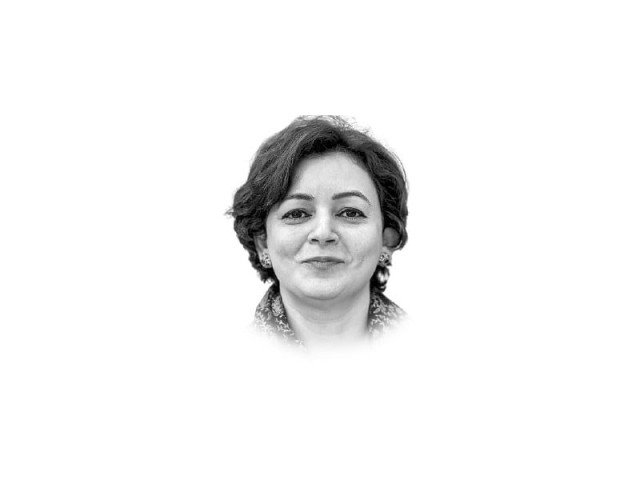
Dear readers,
Had I been Sara Teasdale, I would have said, "Life has loveliness to sell, ...Spend all you have for loveliness, Buy it and never count the cost; For one white singing hour of peace, Count many a year of strife well lost, And for a breath of ecstasy Give all you have been, or could be." But I'm just an ordinary person, a romantic and an idealist. People have called me 'philomath' and 'a discerning sage', mocking my insatiable curiosity or perhaps due to my built-up faith in humanity.
Is it my fault? I mean, what do you do when you live in Lahore, and it's February? You just warmed up with Think Fest a few days ago. There's this marathon – Lahore Literary Festival, Heritage Exchange Conference, Faiz Festival, ArtBeat, Lahore International Book Fair, Basant and Daatchi Festival, all falling back-to-back amid art shows: Eternal Imprints, Common Sky, Tidal Paths, Thread by Thread, An Eye for the Familiar and the Exquisite, EarthTalks, and Iqbal Hussain's references. And the list goes on. Aren't we lucky to be living in these times? The festive February in Lahore is indeed that 'breath of ecstasy' you shall give all you have or could be.
What are these festivities about — art, culture, literature, theatre, music and communal activities within the public? One wonders why it is important to listen to Zehra Nigah reciting Faiz or Sam Darlymple telling the tale of shattered lands. What does Lyse Doucet's five-star hotel tell us about the Taliban's Afghanistan? Why should Saiful Islam's tale of Dhaka muslin be mandatory reading, not just for fashion designers, but also for economists and social scientists?
What does Michael Pembroke's Silk, Silver, Opium inform us about our very own C-Pack or the world economy? How does Pakistani literature transform from moths (Mohsin Hamid) to fireflies (Aisha Hassan)? How did Deepa Mehta's newly-embraced Canadian nationality enable Pakistanis to view Fire, Earth and Water? How did Shamsie remind me of Rano apa picking a saffron-colored gharara as her wedding dress? What is environmental art? Who is Faisal Anwar, and how do his immersive installations warn us about the changing ecology? How does Naveen Hayder blur the boundary between botany and art, exploring fragility, memory and repair through textiles? This festive February raised many questions and provided answers to several of them. It touched us all at various levels and brought together creativity, ideas and intercultural dialogue.
Numerous studies suggest that engaging in various activities, like attending theatre or cultural events, participating in drawing classes or incorporating arts into daily life, may provide numerous mental and physical health benefits. These findings have been extensively researched and mapped. Art viewing is affective, cognitive, social, self-transformative and resilience-building, though these mechanisms are often context-dependent. A visit to a museum, a painting installed in a domestic, clinical or work setting or encountering public artwork in the city can improve well-being. Emerging evidence suggests that a brief visit to a museum or engagement with a single painting may be sufficient to experience positive effects on mood and stress.
Art and cultural activities are integral to community development and nation-building. They're all about empowering individuals to drive social change and improve their own lives. It's a broad term encompassing initiatives in areas such as education, healthcare, housing and economic growth. These projects are super important because they're tailored to local needs and are sustainable in the long run. This approach focuses on developing communities in a way that's viable for the future, promoting self-reliance, self-determination and sustainability.
Art and culture are powerful, and so are these informal settings. Fairs and festivals are game-changers in contemporary Pakistan, offering flexible and accessible learning opportunities to millions. Unlike formal education, which can be rigid and inaccessible to many, informal education focuses on practical skills and real-life applications, making it perfect for those who need to balance work, family or other responsibilities.
To many more Februaries,
Bano
February '26



This material may not be published, broadcast, rewritten, redistributed or derived from. Unless otherwise stated, all content is copyrighted © 2026 The Express Tribune.


COMMENTS
Comments are moderated and generally will be posted if they are on-topic and not abusive.
For more information, please see our Comments FAQ