Govt to introduce single-point checking system at airports to cut delays
Updated 1 hour ago

Low vaccination coverage has led to a surge in pneumonia cases among children and the elderly
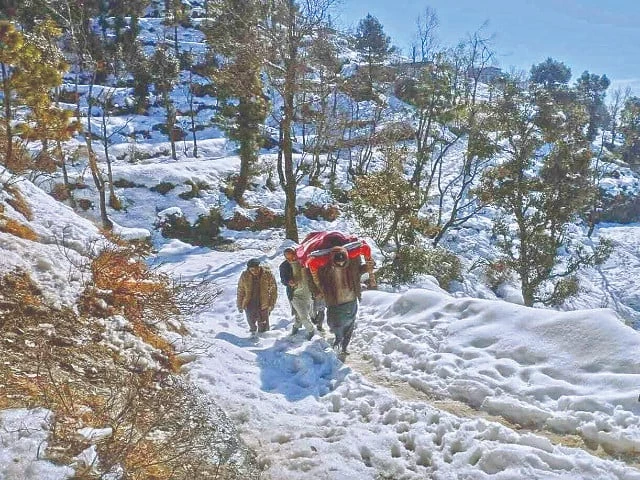
A sharp drop in temperatures has triggered a surge in respiratory and chest-related illnesses across Khyber-Pakhtunkhwa (K-P), overwhelming major hospitals in Peshawar and several other districts as large numbers of children and adults seek medical treatment.
Chest and paediatric wards in leading public-sector hospitals are operating at or near full capacity, raising serious concerns among health authorities and medical experts over the strain on the province's already overburdened healthcare system.
According to the Integrated Disease Surveillance and Response (IDSR) report issued by the provincial Health Department, 8,642 cases of respiratory illnesses were reported between January 12th and 18th, reflecting a sharp increase attributed to the ongoing cold spell.
Charsadda recorded the highest number of cases at 2,573, followed by Haripur with 2,554. Other affected districts include Swabi (780), Battagram (583), Peshawar (535), Mardan (324), Mohmand (299), Swat (287) and Abbottabad (235).
The report also notes a concerning rise in influenza cases, with nearly 12,000 cases reported over the past two epidemiological weeks, 6,054 in the first week and 6,190 in the second, indicating sustained winter transmission.
Hospitals are also reporting a high number of pneumonia cases, particularly among children under five. Over three weeks, 1,649 cases were reported in the first week, followed by 1,442 and 1,541 cases in subsequent weeks, highlighting the severe impact of cold weather on young children.
Shahid Khan, a resident of Charsadda whose daughter was admitted to Lady Reading Hospital (LRH) with severe pneumonia, expressed frustration over the lack of facilities in public hospitals. Speaking to The Express Tribune, Khan rejected what he described as the government's "tall claims" regarding healthcare services.
"There are no proper facilities for poor patients. Doctors and nurses remain busy on their mobile phones, while senior doctors briefly visit the wards before returning to their private clinics," he alleged. Khan added that he was forced to purchase medicines, injections, and even syringes from outside the hospital. "Where are the free medical facilities the government talks about?" he asked.
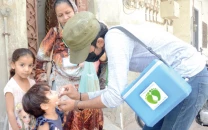
Dr Fayyaz Ali, a former district health officer currently working as a health consultant in the private sector, opined that the situation had been exacerbated by poor immunisation coverage and widespread malnutrition.
"Unfortunately, vaccination coverage remains weak, and more than 40 per cent of children are malnourished," he told The Express Tribune. Dr Ali added that children and the elderly are the most vulnerable during severe cold weather, particularly in the absence of a well-organised child healthcare system.
"The Khyber Institute of Child Health (KICH) has remained incomplete for the past 13 years, which has severely affected paediatric care in the province," he said. Dr Ali stressed the need for policy-level prioritisation of infant and child mortality, noting that successive governments tend to focus on short-term projects aimed at political gains rather than long-term healthcare reforms.
Sources within the Health Department confirmed that all three major public hospitals in Peshawar, along with several smaller facilities, are currently overcrowded with sick children, most of whom are suffering from chest infections, breathing difficulties or pneumonia. As a result, paediatric wards are facing acute bed shortages.
Professor Dr Muhammad Hussain, a paediatrician and child health specialist, believed that deaths due to pneumonia in public hospitals cannot be attributed to hospitals alone.
"These deaths are the result of multiple interconnected factors in Khyber-Pakhtunkhwa," he told The Express Tribune, citing widespread malnutrition, declining breastfeeding practices, low immunisation coverage, vaccine hesitancy, poor housing conditions, environmental pollution and inadequate hygiene practices, including poor handwashing at the community level.
Regarding seasonal chest infections and influenza, Dr Hussain claimed that these illnesses become particularly severe in malnourished and unimmunised children, leading to higher mortality despite medical treatment.
Efforts to obtain comments from the provincial health minister were unsuccessful, as repeated attempts by the correspondent to contact him went unanswered.








This material may not be published, broadcast, rewritten, redistributed or derived from. Unless otherwise stated, all content is copyrighted © 2026 The Express Tribune.





COMMENTS
Comments are moderated and generally will be posted if they are on-topic and not abusive.
For more information, please see our Comments FAQ