Fact check: Viral videos of Indian soldiers resigning over govt apathy during Op Sindoor are doctored
Updated 2 hours ago

Clean energy expansion offsets rising demand and higher US coal use
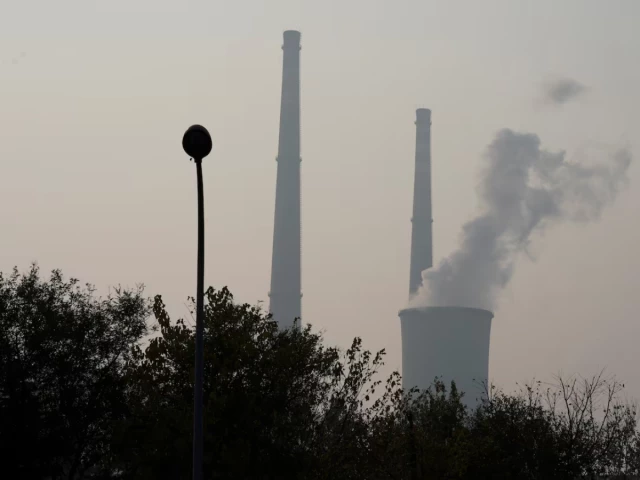
Power sector emissions in China and India fell simultaneously for the first time in more than five decades in 2025, as rapid expansion of clean energy met rising electricity demand, according to a report by the Centre for Research on Energy and Clean Air.
The two countries are the world’s largest coal users and accounted for 93% of the increase in global carbon dioxide emissions from power generation over the decade to 2024. However, the report said record additions of renewable energy capacity helped curb emissions from electricity generation last year.
China’s power sector emissions declined by 40 million tonnes of carbon dioxide equivalent, or 0.7%, in 2025. Emissions from Indian utilities fell by 38 million tonnes, or 4.1%, during the 11 months through November, based on estimates compiled by energy think tank Ember using monthly government data.
The declines offset a 55.7 million tonne increase in U.S. power sector emissions, where a 13.1% rise in coal-fired electricity generation pushed emissions up 3.3% in 2025, the fastest annual increase this century. As a result, global power sector emissions remained largely flat.
Read: India, China propose ways to cut use of fossil fuels
Over the decade to 2024, power plant emissions rose on average by 3.4% annually in China and 4.4% in India, while falling 2.4% in the United States. The three countries together account for about 60% of global power sector emissions, which make up roughly 35% of total greenhouse gas emissions.
The International Energy Agency has said China’s coal consumption is expected to decline gradually over the coming decade, helping emissions from power generation level off.
In India, despite record renewable energy additions and slower growth in electricity demand, the agency expects coal to remain a key part of the power mix due to steadily rising demand.
In the United States, the agency forecasts a 6% decline in coal demand by 2030 due to higher costs, despite policy incentives and a slowdown in coal plant closures.
















This material may not be published, broadcast, rewritten, redistributed or derived from. Unless otherwise stated, all content is copyrighted © 2026 The Express Tribune.






COMMENTS
Comments are moderated and generally will be posted if they are on-topic and not abusive.
For more information, please see our Comments FAQ