Mirpurkhas BISE scandal widens
Updated 5 hours ago

Activists urge action as weak enforcement persists
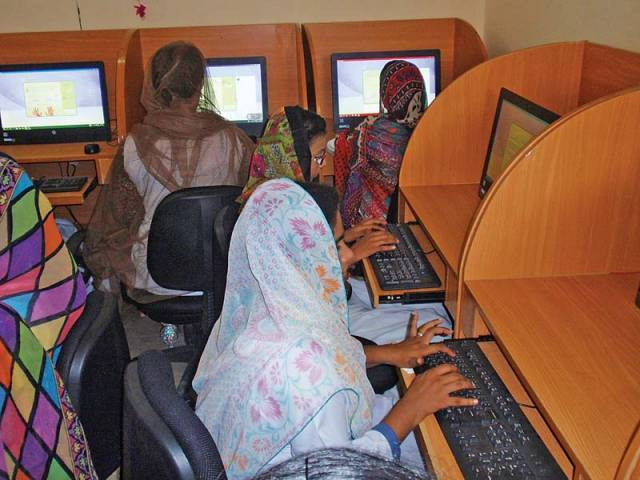
A roundtable conference in Karachi on women's rights highlighted the persistent gap between legislation and its real-world impact, with experts warning that laws alone cannot shield women from violence, discrimination, and workplace bias. Organised by the Pakistan Women Foundation for Peace, the session brought together educationists, lawyers, doctors, human rights activists, journalists, and social leaders to discuss why protective legislation has failed to translate into tangible empowerment for women across Pakistan.
Held at a local club on Monday, the conference brought together educationists, lawyers, doctors, human rights activists, journalists and social leaders. The session titled "Why Have Laws for Women's Empowerment Failed to Empower Women in Pakistan? A Collective Struggle for Implementation" was chaired by Chairperson Pakistan Women Foundation for Peace Nargis Rehman.
Participants called for integrating awareness of women's and children's rights into educational curricula, strengthening the Women Development Department, and taking concrete steps to ensure the enforcement of existing laws. Addressing the conference, Nargis Rehman said that despite the passage of several laws at the national and provincial levels after the Women Protection Act of 2006, poor implementation has prevented women from achieving real empowerment in education, health, politics, labour force participation and protection from discrimination and violence.
She pointed out that Pakistan still lacks comprehensive and reliable data on women's participation in the labour force, while women continue to face stark disparities in employment, wages and opportunities. "Over the past two years, incidents of violence against women have increased alarmingly," she said. Rehman recalled that Pakistan's founding leaders, Quaid-e-Azam Muhammad Ali Jinnah and Liaquat Ali Khan, had set a progressive example by including Fatima Jinnah and Begum Rana Liaquat Ali Khan in nation-building and ensuring women's right to vote and equality in all spheres of life. However, she said, patriarchal and feudal mindsets later took root, influencing society and legislative bodies alike. She noted that certain constitutional amendments, including the Hudood laws, severely harmed women's rights and social status.
A private TV channel CEO said the media also faces constraints in highlighting women's freedom and rights, as audiences often prioritise entertainment, while resistance from religious groups further limits space for such discussions.














This material may not be published, broadcast, rewritten, redistributed or derived from. Unless otherwise stated, all content is copyrighted © 2026 The Express Tribune.







COMMENTS
Comments are moderated and generally will be posted if they are on-topic and not abusive.
For more information, please see our Comments FAQ