Punjab tightens security, deploys over 40,000 personnel for Eidul Azha across province
Updated 2 hours ago

While doctors cite high operating costs, concerns over unnecessary tests persist
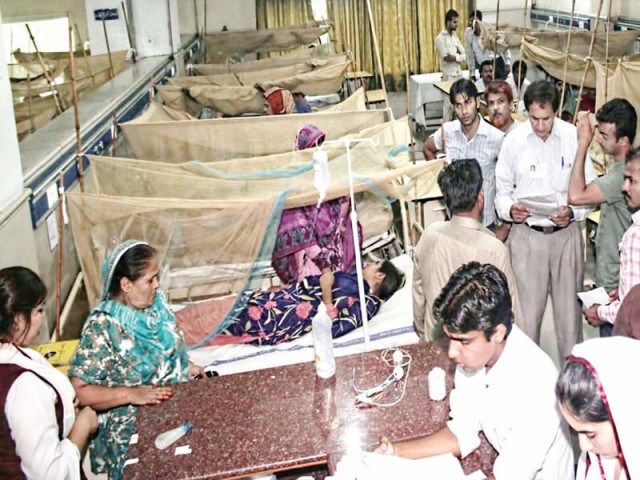
Escalating charges for diagnostic procedures such as endoscopy and colonoscopy at private healthcare facilities are placing a significant financial burden on families in the federal capital.
A senior gastroenterologist at a government hospital acknowledged that private hospitals and clinics, unlike public-sector institutions, receive no government subsidies and therefore incur higher operational costs, which partly explains their elevated fees.
However, he pointed out that a small number of doctors prescribe unnecessary diagnostic tests - even for minor gastrointestinal complaints - including endoscopy and colonoscopy. According to the specialist, some patients are subsequently referred to private laboratories for personal financial gain.
He stressed that such individuals must be identified and penalised, while emphasising that the vast majority of doctors adhere strictly to medical ethics and remain sincere and committed to their profession.
The gastroenterologist further said that when certain diagnostic facilities are unavailable at government hospitals, physicians should refrain from entering into profit-driven arrangements with private laboratories. Instead, doctors should encourage private labs to offer discounted rates to patients in order to provide some relief.
Emphasising professional integrity, he said doctors must remain honest, ethical and motivated by the spirit of serving humanity rather than commercial interests. He urged the Islamabad Healthcare Regulatory Authority (IHRA) and the relevant ministry to take effective measures to regulate healthcare costs, including the imposition of upper limits on diagnostic test charges.
He also advised that patients should be encouraged to consult specialists who follow proper medical protocols, including taking a detailed medical history, conducting thorough clinical examinations, ordering only necessary investigations and prescribing appropriate treatment.
Zubair, a visitor at a private laboratory in Islamabad's Blue Area, said that he had come to collect reports of gastro-related tests and expressed dissatisfaction over the rising cost of laboratory investigations. He urged the authorities and the health ministry to intervene by regulating prices and ensuring transparency in laboratory charges.
Meanwhile, the Chief Executive Officer of IHRA said the authority is actively working to strengthen the healthcare regulatory framework, including the introduction of controlled rates for medical services and laboratory tests, with the aim of providing maximum relief to the public.
He said the IHRA Board of Authority is focusing on improving healthcare standards and facilities across both public and private hospitals in the Islamabad Capital Territory (ICT), in order to curb unethical practices and protect patients from overcharging.
To date, IHRA has registered 1,780 healthcare establishments (HCEs). In the next phase, the licensing process will commence, with 610 applications currently under initial scrutiny.
The CEO added that all HCEs have been directed to prominently display price lists for medical and pathological tests, as well as consultation fees, at their premises and on their official websites to ensure transparency. He warned that strict action would be taken against violators, including heavy fines, cancellation of registration and, in serious cases, sealing of premises.








This material may not be published, broadcast, rewritten, redistributed or derived from. Unless otherwise stated, all content is copyrighted © 2026 The Express Tribune.








COMMENTS
Comments are moderated and generally will be posted if they are on-topic and not abusive.
For more information, please see our Comments FAQ