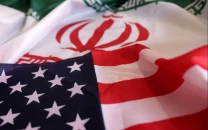
China overtakes US in global approval amid Trump’s controversial war in Iran
Updated 34 minutes ago

The deployment in the south aims to cement the state's monopoly on bearing weapons
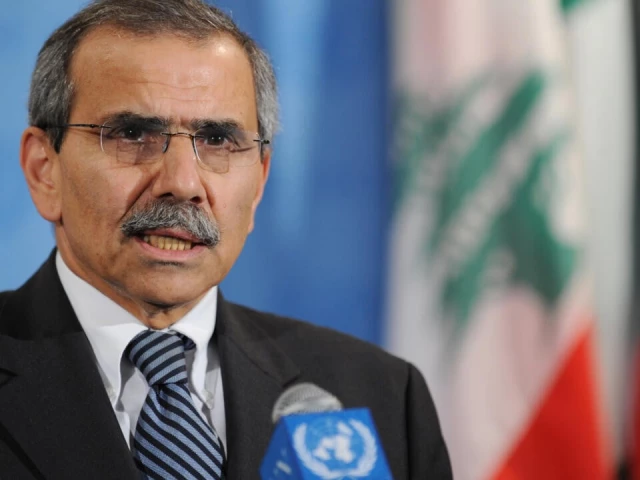
Lebanon's army said Thursday that it had completed the first phase of its plan to disarm Hezbollah in south Lebanon, while Israel called the efforts encouraging but "far from sufficient".
Under heavy US pressure and amid fears of expanded Israeli strikes, Lebanon has committed to disarming the Iran-backed militant group, which was badly weakened after more than a year of hostilities including two months of all-out war that ended with a November 2024 ceasefire.
Despite the truce, Israel has kept up regular strikes in Lebanon, usually saying it is targeting Hezbollah sites and operatives, and has maintained troops in five south Lebanon areas it deems strategic, accusing the group of rearming.
Lebanese official media said a strike on Thursday killed one person near the southern city of Sidon, as Israel's army said it targeted a Hezbollah operative.
Lebanon's army said it had "achieved the objectives of the first phase" of its plan, covering the area south of the Litani River — around 30 kilometres (20 miles) from the Israeli border — with the intention to extend it to the rest of the country.
In a statement, it noted "the exception of territory and positions still occupied by Israel" near the border.
Israeli Prime Minister Benjamin Netanyahu's office said in a statement that the ceasefire "states clearly, Hezbollah must be fully disarmed".
'Serious challenges'
"Efforts made toward this end by the Lebanese government and the Lebanese armed forces are an encouraging beginning, but they are far from sufficient, as evidenced by Hezbollah's efforts to rearm and rebuild its terror infrastructure with Iranian support," it added.
Also Thursday, Iranian Foreign Minister Abbas Araghchi arrived in Lebanon, saying the "primary objective" of his two-day trip was to consult with officials about the "serious challenges and threats" facing the region "by the Zionist regime", referring to Israel.
Under the ceasefire, Hezbollah was to withdraw its forces north of the Litani River and have its military infrastructure dismantled in the evacuated areas.
The group has refused to surrender its weapons.
Lebanon's army said it would continue operations south of the Litani to "complete the disposal of unexploded ordnance" and search for tunnels dug by Hezbollah, taking measures to "permanently prevent armed groups from rebuilding their capabilities".
After the army leadership briefed the cabinet on progress on the disarmament plan, Information Minister Paul Morcos said the government emphasised the need to continue implementing the plan "as quickly as possible".
He said a plan for the disarmament north of the Litani is to be presented to cabinet in February.
'Undeniable progress'
The second phase of the army's plan is to cover the rest of the country's south up to the Awali River, near Sidon.
Lebanese President Joseph Aoun in a statement Thursday expressed "full support" for the army's announcement.
The deployment in the south aims to cement the state's monopoly on bearing weapons "and to prevent the use of Lebanese territory as a launchpad for any hostilities", Aoun said.
"Lasting stability" requires addressing outstanding issues including Israel's ongoing troop presence and attacks, he said, urging the international community to assist in implementing the ceasefire deal and hasten support for the Lebanese army.
Jeanine Hennis-Plasschaert, the UN special coordinator for Lebanon, said on X that the army's announcement was "undeniable progress".
The ceasefire was based on a 2006 United Nations Security Council resolution that calls for the disarmament of all non-state armed groups.
More than 350 people have been killed by Israeli fire in Lebanon since the ceasefire, according to an AFP tally of health ministry reports.







This material may not be published, broadcast, rewritten, redistributed or derived from. Unless otherwise stated, all content is copyrighted © 2026 The Express Tribune.



COMMENTS
Comments are moderated and generally will be posted if they are on-topic and not abusive.
For more information, please see our Comments FAQ