Man shot dead in suspected robbery
Updated 10 minutes ago

Steam engine was installed at the facility in 1883 by philanthropist Bela Ram
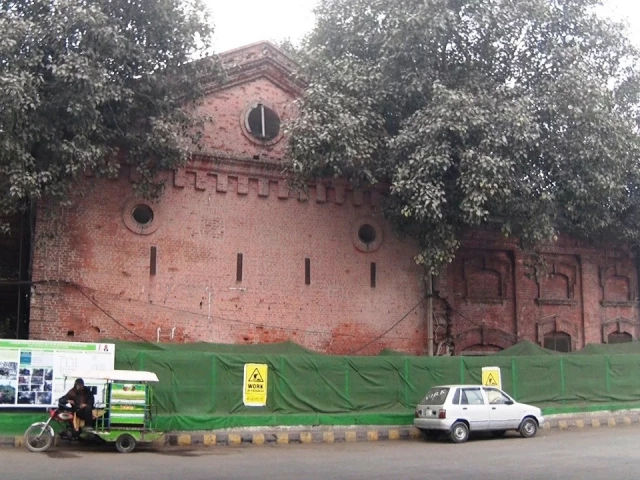
Work is under way to convert Lahore’s first pumping house, which supplied clean drinking water to the Walled City for several decades, into a museum.
Located near the Lorry Adda, the building is a hidden national heritage site that houses the steam engine of Lahore’s earliest water supply system. The engine was installed in 1883 to meet the city’s water requirements.
A tall chimney standing besides the building immediately draws attention, while inside, the massive structure of the steam engine remains intact, its large gears similar to those used in large ships.
According to Walled City of Lahore Authority (WCLA) Deputy Director Mubashir Hassan the pumping station was established by a philanthropist, Bela Ram, in collaboration with the then governor of Lahore, Charles Aitchison.
The initiative followed after Bela Ram’s children fell ill after consuming contaminated water during a family visit to Lahore. Bela Ram subsequently met Governor Aitchison and proposed the installation of a proper water pumping system for the city.
During the British era, the water supply system consisted of two main components. In the first phase, the steam engine lifted water from the Ravi River through a powerful hydraulic mechanism. In the second phase, the water was stored in a large reservoir, from where it was supplied to houses in the city.
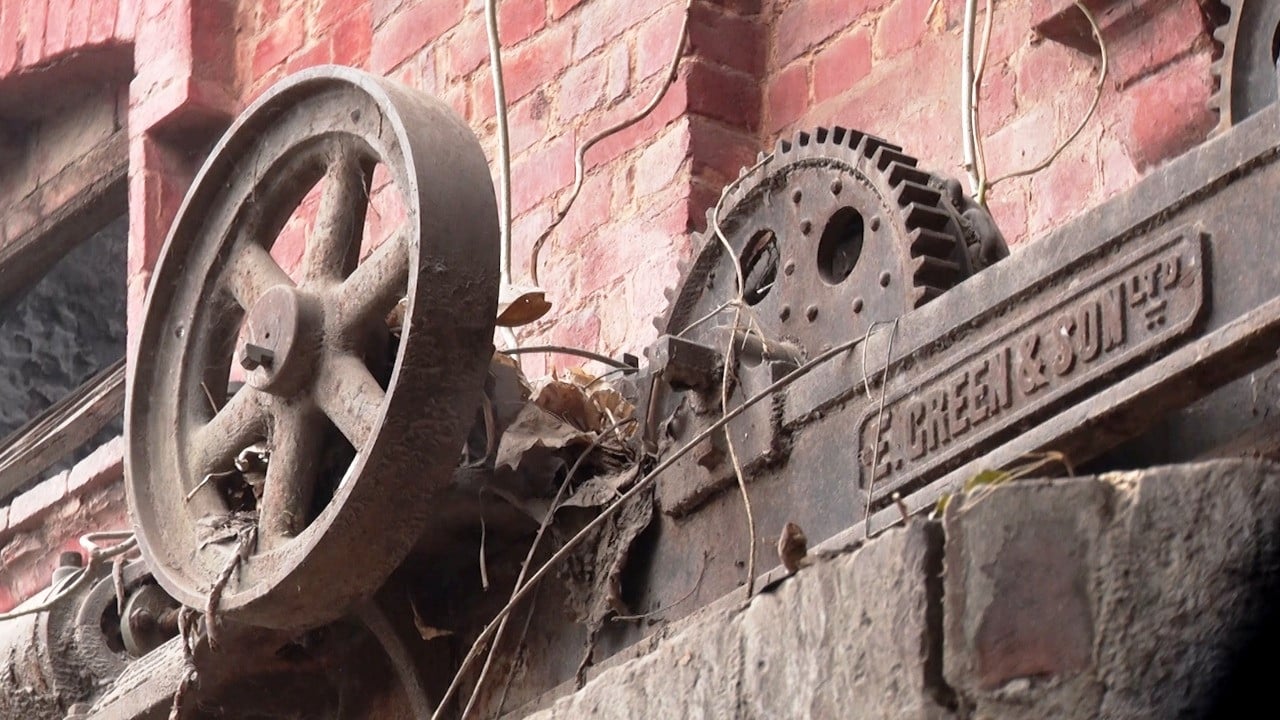
The WCLA official said that at that time, the population of the Walled City was around 32,000. The coal-fired pumping station supplied nearly one million gallons of water daily to the tank, from where it was supplied to residents.
Although the pumping station is no longer operational, the ‘Pani Wala Talab’ still exists and continues to supply water to parts of the inner city. The official said that after the 1971 Pakistan-India war, the supply of coal was disrupted, leading to the closure of the pumping station.
Electric tube wells were installed as an alternative. Since then, the machinery remained unused and the building gradually fell into disrepair.
The WCLA has initiated a conservation project to preserve the historic structure. While the machinery cannot be reactivated, it will be cleaned, conserved and displayed as part of the museum. The second section of the building, consisting of a large hall, will be converted into a cafeteria.
According to Mubashir Hassan, the objective of the project is to preserve the historic site as a British-era heritage monument. Revenue generated from the museum and cafeteria will be used for the site’s maintenance.












This material may not be published, broadcast, rewritten, redistributed or derived from. Unless otherwise stated, all content is copyrighted © 2026 The Express Tribune.






COMMENTS (2)
Comments are moderated and generally will be posted if they are on-topic and not abusive.
For more information, please see our Comments FAQ