Iran demands release of $12b in frozen assets in potential deal with US
Updated 1 hour ago

Tehran faces limited options as Trump’s threats and a deepening economic crisis worsen after June strikes
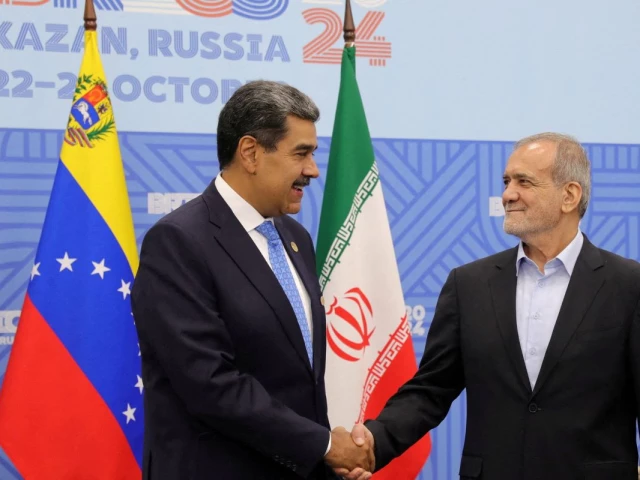
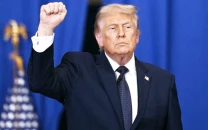
Iran’s efforts to quell a wave of anti-government protests have been complicated by US President Donald Trump’s warning of intervention, a threat reinforced by the recent capture of Venezuela’s Nicolas Maduro, officials and insiders said on Monday.
A day before US special forces seized Maduro and his wife on Jan. 3 and transferred them to New York, Trump warned on social media that if Iran’s leadership killed protesters—who have been demonstrating since Dec. 28—the US. “will come to their rescue.” At least 17 people have died so far.
Twin pressures on Tehran
Tehran’s options have been constrained by Trump’s threats and a long-running economic crisis, which worsened after Israeli and US strikes in June targeted several of Iran’s nuclear sites over 12 days.
“These twin pressures have narrowed Tehran’s room for manoeuvre, leaving leaders caught between public anger on the streets and hardening demands and threats from Washington, with few viable options and high risks on every path,” one Iranian official told Reuters.
A second official said that, after US action in Venezuela, some authorities feared Iran could be “the next victim of Trump’s aggressive foreign policy.”
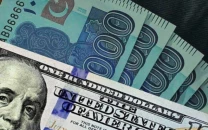
Iran’s economy has been battered by years of US sanctions. Its currency, the rial, has been in freefall since last year’s Israeli-US strikes, which targeted nuclear facilities that the West says Iran has been using to develop nuclear arms. Tehran denies these claims.
Read More: Iran protests enter 2nd week
Expanding protests
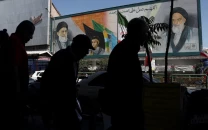
Protests that erupted in Tehran and spread to western and southern cities have grown beyond their economic focus, with some demonstrators chanting slogans like “Down with the Islamic Republic” and “Death to the dictator,” targeting Supreme Leader Ayatollah Ali Khamenei, who has the final say in state affairs.
Authorities are attempting a dual approach: acknowledging economic grievances as legitimate while dispersing some demonstrations with tear gas. At least 17 protesters have died, while security forces report two of their members killed and more than a dozen injured.
A third official said worries were mounting in Tehran that “Trump or Israel might take military action against Iran, like what they did in June.”
Iran’s stance and international ties
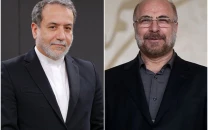
Iran, a long-time ally of Venezuela, has condemned Washington’s action in Caracas and Trump’s statements on Iran. Foreign Ministry spokesperson Esmaeil Baghaei said such comments “amount to nothing more than incitement to violence, terrorism and killing under international norms.”
On Friday, Trump threatened to intervene if protesters faced violence, declaring: “We are locked and loaded and ready to go,” without detailing specific actions.
Economic hardships
Economic grievances remain central to the unrest. Widening disparities between ordinary Iranians and the clerical and security elite, combined with mismanagement, runaway inflation and corruption, have fueled public anger.
President Masoud Pezeshkian has urged dialogue and promised reforms to stabilize the monetary and banking systems and protect purchasing power. From Jan. 10, the government will provide a monthly stipend of 10,000,000 rials (about $7) per person in non-cashable electronic credit for select grocery stores. For lower-income households, whose monthly salaries barely exceed $150, this represents a modest but meaningful boost.
The rial lost roughly half its value against the dollar in 2025, while official inflation reached 42.5% in December.



This material may not be published, broadcast, rewritten, redistributed or derived from. Unless otherwise stated, all content is copyrighted © 2026 The Express Tribune.


COMMENTS
Comments are moderated and generally will be posted if they are on-topic and not abusive.
For more information, please see our Comments FAQ