Oil surges after Iran targets US airbase in retaliation
Updated 14 hours ago

PBS data shows short-term relief from food and fuel prices, but cost pressures persist
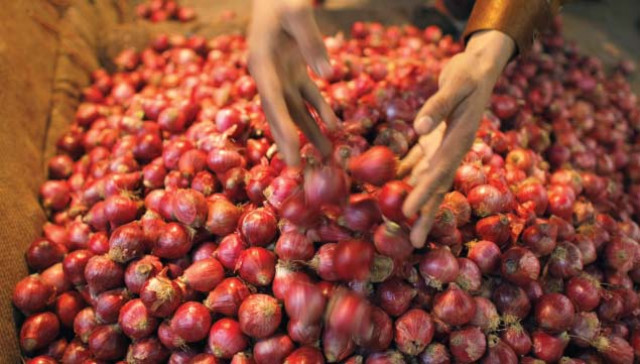
Pakistan's weekly Sensitive Price Indicator (SPI) recorded a year-on-year increase of 2.41%, highlighting persistent pressure on household budgets despite short-term easing in some essential food and fuel prices, according to the Pakistan Bureau of Statistics (PBS).
PBS data for the week ended January 1, 2026 shows the SPI declined 0.67% on a week-on-week basis, reflecting temporary relief from falling prices of selected perishables. However, the broader annual trend continues to point to structural cost pressures for consumers, particularly low- and middle-income households. The SPI is calculated weekly on the basis of prices of 51 essential commodities collected from 50 markets across 17 urban centres, making it a key barometer of short-term inflation trends.
On a weekly basis, the decline was largely driven by sharp reductions in prices of onions, down 11.84%, potatoes, down 10.21%, eggs, down 6.25%, and petroleum products, including petrol, down 3.89%, and high-speed diesel, down 3.20%. Sugar, pulses, LPG and gur also posted noticeable week-on-week declines. This relief was partly offset by increases in chicken prices, up 2.37%, wheat flour, up 1.88%, tomatoes, up 1.72%, and bananas, up 1.13%, underscoring continued volatility in food prices.
The year-on-year picture remains more concerning for households. PBS data shows gas charges for the first quarter surged by nearly 30%, while wheat flour prices were almost 25% higher compared with the same period last year. Other staples, including beef, up 12.95%, sugar, up 11.90%, bananas, up 10.63%, and powdered milk, up 9.51%, also recorded double-digit or near double-digit annual increases. Non-food essentials, including firewood, lawn fabric and shirting, further added to the rising cost of living.
At the same time, some commodities provided partial relief on an annual basis, with steep declines recorded in tomatoes, down over 70%, potatoes, down 52%, onions, down 40%, and selected pulses. Despite these declines, analysts note the benefit is often uneven and seasonal, limiting its ability to ease household financial stress over the longer term.
Disaggregated data by expenditure quintiles shows the lowest income group experienced a 1.24% year-on-year increase, while middle-income groups recorded increases of around 2.5%, reinforcing concerns that inflationary pressures remain embedded.















This material may not be published, broadcast, rewritten, redistributed or derived from. Unless otherwise stated, all content is copyrighted © 2026 The Express Tribune.







COMMENTS
Comments are moderated and generally will be posted if they are on-topic and not abusive.
For more information, please see our Comments FAQ