NASA Artemis II wake up playlist revealed with Chappell Roan and Denzel Curry tracks
Updated 5 minutes ago

"This isn’t just about me," Stef Reid said. "It’s about a lot of people who have been overlooked for a long time."
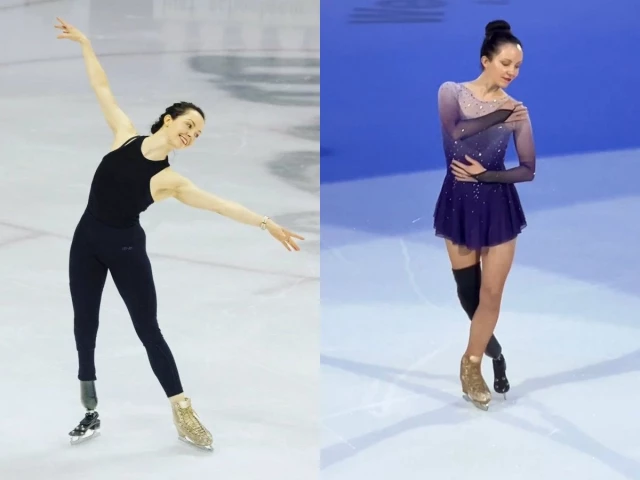
Retired Paralympic sprinter and long jumper Stef Reid says her campaign for footwear brands to sell single shoes began as a personal frustration but has grown into a broader conversation about inclusivity and sustainability.
Reid, a single-leg amputee who competes using a prosthetic blade, said she encountered the issue after retiring from elite sport in 2022 and transitioning into distance running. While shopping for high-performance running shoes, she discovered she would still need to buy a full pair, even though she could only use one shoe.
“I was literally about to buy these shoes and then remembered photos of amputee mannequins wearing single shoes in stores,” Reid said. “I thought, ‘Maybe there’s a way for me to just buy one shoe, because I’m literally going to throw the other one out, I have nothing to do with it.’”
Reid reached out to a major sportswear brand to ask whether purchasing a single shoe was possible but was told it was not an option. She was instead offered a small, one-time discount. The experience prompted her to share her frustration on social media, where the response surprised her.
“What I wasn’t expecting was the number of people who got in touch,” she said. “Not just amputees, but people who said they’d benefit from buying one shoe or even two different sizes.”
Reid pointed out that many adults have feet of different sizes, making the issue far more widespread than she initially realized. She stressed that her campaign is not about attacking brands, but about encouraging them to align inclusive marketing with real-world accessibility.
“It taught me that people want to see brands living out what they say they’re doing,” she said.
While acknowledging that changing manufacturing and retail systems would take time, Reid said the idea is far from impossible. “Shoes aren’t made as pairs,” she explained. “They’re made on separate lines, so physically, it can be done.”
She also highlighted the environmental impact of forcing customers to buy shoes they cannot use, arguing that selling single shoes could reduce unnecessary waste and support sustainability efforts.
Although no major brand has yet committed to changing its sales model, Reid hopes her campaign will lead to meaningful discussions and, eventually, action. “This isn’t just about me,” she said. “It’s about a lot of people who have been overlooked for a long time.”














This material may not be published, broadcast, rewritten, redistributed or derived from. Unless otherwise stated, all content is copyrighted © 2026 The Express Tribune.






COMMENTS
Comments are moderated and generally will be posted if they are on-topic and not abusive.
For more information, please see our Comments FAQ