'Michael' eyes record-breaking opening after $39.5m start
Updated 3 hours ago

.
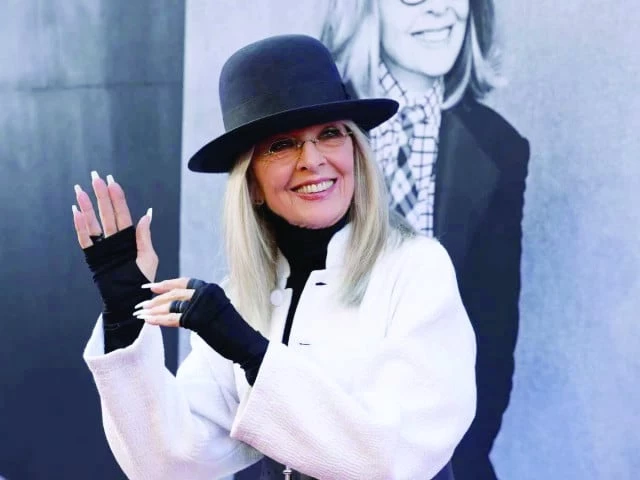
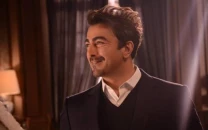
Diane Keaton has spent more than five decades captivating audiences with her distinctive screen presence, sharp timing and unconventional charm, but her memoirs reveal a life story that is just as compelling off camera. Through three deeply personal books — Then Again, Let's Just Say It Wasn't Pretty and Brother and Sister — the Oscar-winning actress offers an intimate, sometimes fragmented portrait of her experiences, shaped by curiosity, emotional honesty and a willingness to confront her own contradictions.
Despite her reputation as an articulate and thoughtful performer, Keaton has often spoken about her discomfort with writing. "I've always had trouble putting words together," she once admitted, adding with characteristic self-awareness, "In a way, I became famous for being an inarticulate woman." Rather than disguising that struggle, Keaton embraces it in her memoirs. Her books reject a traditional chronological structure in favour of a collage-like approach that blends letters, poems, dialogue, photographs and fragmented memories. The result is a reading experience that mirrors her mind at work — searching, reflective and occasionally disjointed, but always sincere.
Family emerges as the emotional anchor of Keaton's writing, particularly her relationship with her mother, Dorothy. Keaton describes her mother as "the most important, influential person in my life," crediting her with nurturing both her creativity and her emotional resilience. Dorothy's unfulfilled ambitions and quiet strength left a lasting imprint, shaping Keaton's own drive while also instilling a deep sensitivity to disappointment and perseverance.
Her bond with her brother Randy is explored with particular tenderness in Brother and Sister. In the book, Keaton writes candidly about caring for him and the subtle, often unspoken intimacy of sibling connection. These passages are among her most moving, capturing love not as grand declaration but as steady presence, responsibility and shared history.
Keaton does not shy away from her personal struggles, addressing them with striking openness. She writes about her battle with bulimia during the early years of her career, detailing the emotional toll it took and the pressures she felt around appearance, success and self-worth. These sections stand out for their vulnerability and refusal to soften painful truths, especially within an industry known for unrealistic expectations and silence around such issues.
Romantic relationships also play a significant role in her memoirs. Keaton reflects on her complex, long-lasting connections with Woody Allen, Warren Beatty and Al Pacino - relationships that were deeply influential both personally and professionally. Writing about Allen, she explained, "We shared a love of torturing each other with our failures... This bond remains at the core of our friendship and, for me, love." Her reflections are nuanced rather than sentimental, often tinged with humour, affection and regret, and marked by an awareness of how intimacy can evolve beyond romance.
In Let's Just Say It Wasn't Pretty, Keaton turns inward, examining aging, insecurity and her famously distinctive sense of style. She approaches these themes with self-deprecating wit, once joking about her wardrobe: "You could call a good two-thirds of my wardrobe an impenetrable fortress." Fashion, she suggests, became both armour and expression — a way to protect herself while projecting individuality in an industry that thrives on conformity.
Across all three memoirs, Keaton consistently returns to the idea that success and fame are secondary to human connection. Awards, acclaim and iconic roles fade in importance when set against family, love and personal growth. "It all boils down to family," she wrote, underscoring the people who remain present through life's changes.
Taken together, Diane Keaton's memoirs form a deeply personal body of work — reflective, imperfect and fearless.










This material may not be published, broadcast, rewritten, redistributed or derived from. Unless otherwise stated, all content is copyrighted © 2026 The Express Tribune.





COMMENTS
Comments are moderated and generally will be posted if they are on-topic and not abusive.
For more information, please see our Comments FAQ