Brand reliability fetches demanded price
Updated May 26, 2026

Urge Sindh govt to ensure Rs85b subsidy reaches end-consumers
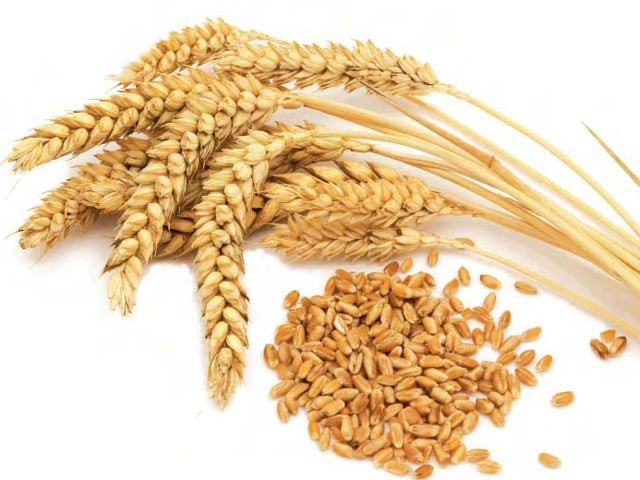
Small traders of Hyderabad have expressed concern over the emerging information regarding the wheat subsidy and the food pass policy for 2025-26 in Sindh. They have emphasised that transparency, balance and public interest must be prioritised to ensure that the relief provided by the government truly reaches the end-consumers.
According to available data, the Sindh government provides a 100kg bag of wheat under subsidy at Rs8,000, while in the market, the same wheat is reportedly being supplied to flour mills at around Rs9,500 per bag, creating a difference of roughly Rs1,500.
In a statement released on Thursday, Hyderabad Chamber of Small Traders and Small Industry (HCSTSI) President Muhammad Saleem Memon stressed that this discrepancy highlights the urgent need for a thorough review of the entire supply chain.
He pointed out that the Sindh government has allocated approximately Rs85 billion for wheat subsidy, which is a significant public investment. It is essential, he said, to ensure that this huge amount benefits the general public directly and reaches the consumers for whom it is intended.
Memon expressed concern over wheat stored in various warehouses for several years and urged that technical inspections and joint assessments be conducted to prevent potential public health risks associated with the use of old or deteriorated wheat.
Regarding daily allocations to flour mills, he noted that Sindh's mills receive only limited quantities ranging from 8,000 to 15,000 bags per day. Meanwhile, reports suggest that large quantities of wheat are being transported to other provinces, which may lead to supply challenges and adversely affect local consumers.
Memon demanded that the wheat allotment policy be comprehensively reviewed by clarifying the roles of traders and flour mills in a balanced manner. He called for transparent audits of all stocks and distribution, timely identification and disposal of spoiled wheat, and above all, ensuring that wheat intended for Sindh's population is not diverted elsewhere but reaches the consumers directly.
He also emphasised the critical role of engaging the private sector in wheat procurement. According to Memon, private sector involvement will make the procurement process more efficient and transparent, improve distribution in line with supply and demand, and encourage investment in modern storage, transportation and infrastructure.
Such collaboration will enhance the overall performance of the wheat supply chain, reduce dependency on government entities and mitigate risks related to delays or bureaucratic hurdles.
The chamber showed its willingness to collaborate with the government of Sindh, the Food Department and relevant authorities to establish a transparent, fair and consumer-friendly system for wheat procurement and distribution.








This material may not be published, broadcast, rewritten, redistributed or derived from. Unless otherwise stated, all content is copyrighted © 2026 The Express Tribune.













COMMENTS
Comments are moderated and generally will be posted if they are on-topic and not abusive.
For more information, please see our Comments FAQ