Hasan Raheem teams up with The PropheC for upcoming track 'Ek Nishani'
Updated 5 hours ago

Noah Schnapp says child actors should have therapy
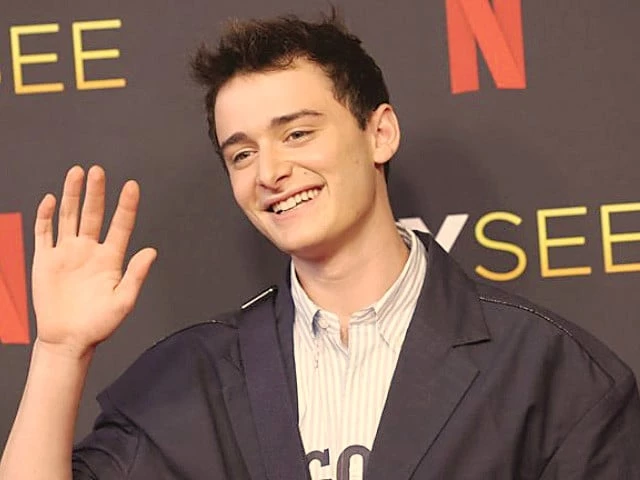
Noah Schnapp has said child actors should have access to therapy, describing growing up in the entertainment industry as "an abnormal life" and reflecting candidly on the personal and psychological challenges he experienced while rising to fame at a young age.
The actor, who became a household name after starring in Netflix's global hit Stranger Things, spoke about mental health, public scrutiny and the pressures of early success in a recent interview with USA Today. Schnapp, now in his early twenties, said his views on therapy and emotional support have changed significantly as he has grown older and gained perspective on his experiences.
Schnapp explained that when he was younger, he believed therapy was unnecessary and assumed he could manage the pressures of fame on his own. However, with time, he came to recognise the emotional toll of growing up under constant public attention. "It's hard to grow up in the public eye," he said. "You don't know yourself, you haven't figured anything out, and now you're expected to know everything and have all the answers."
He noted that adolescence is already a period of uncertainty and self-discovery, and fame only complicates that process. For child actors, ordinary mistakes can quickly become permanent records online. "I was constantly saying the wrong things or being embarrassed by not taking certain things seriously that I should've, and then that lives on forever," Schnapp said. "People grow and learn, and to do that publicly is not easy."
According to Schnapp, the constant visibility and pressure to present a polished image can hinder personal development and contribute to anxiety. He said that as he matured, he realised that relying solely on family support is often not enough in an industry that places unusual demands on young performers. "Through the years, it becomes like, 'No, this is an abnormal life and you need some type of support system outside of your parents,'" he said, emphasising the importance of professional mental health care.
The actor also reflected on how his understanding of mental health issues evolved over time. As a child, he struggled to comprehend why some people in Hollywood faced depression, substance abuse or eating disorders. "Growing up, I never understood why people were depressed or turned to drugs or had eating disorders," he said. "As you get older, you understand how the pressures of Hollywood can create that."
Schnapp added that the culture and lifestyle associated with the entertainment industry can feel overwhelming, particularly in major hubs such as Los Angeles. "I always tell my parents, 'I could never live in LA. I think I would get lost,'" he said, suggesting that the environment itself can intensify feelings of disorientation and stress for young performers.
Schnapp was just 11 years old when he began filming the first season of Stranger Things, which premiered in 2016 and quickly became one of Netflix's most successful series. The show ran for five seasons and turned its young cast into global stars almost overnight, bringing unprecedented levels of attention and expectation.
Schnapp's comments have resonated with broader conversations about child actors' welfare. His remarks echo growing calls within the industry for better mental health protections and long-term support systems for young performers navigating fame during their formative years.













This material may not be published, broadcast, rewritten, redistributed or derived from. Unless otherwise stated, all content is copyrighted © 2026 The Express Tribune.





COMMENTS
Comments are moderated and generally will be posted if they are on-topic and not abusive.
For more information, please see our Comments FAQ