Trump, near 80, to have annual physical amid scrutiny of recent ailments
Updated 36 minutes ago

Earth's 23.4° axial tilt causes the changing lengths of daylight throughout the year
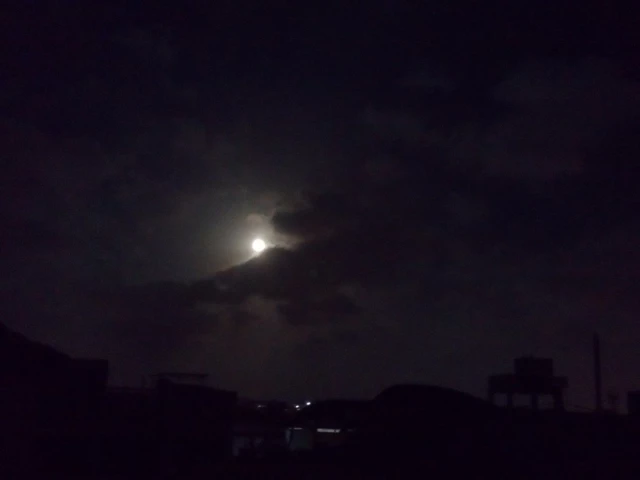
The Winter Solstice has started in many parts of the world, as the planet observes the shortest night on December 21, with the following day being the longest of the year.
The official solstice began at 8:03 PM Pakistani time, as the solstice can vary between December 20 and 23 each year. This year, the shortest night and longest day occur on December 22.
Also called the Northern Solstice, the Winter Solstice occurs around December 21. During this time, the Northern Hemisphere experiences its shortest day, with daylight lasting only about 8 to 9 hours at mid-latitudes, and the longest night, stretching around 15 to 16 hours. These variations occur because of the tilt of the Earth’s axis relative to its orbit around the Sun.
Why Is the Winter Solstice the shortest day of the year?
The Earth's 23.4-degree axial tilt is the primary reason behind the varying lengths of daylight throughout the year.
During the Northern Hemisphere’s summer, the North Pole tilts toward the Sun, granting longer days. In contrast, during winter, the North Pole tilts away from the Sun, resulting in shorter days and longer nights.On the solstice, the Sun appears at its lowest point in the sky, making it the day with the least amount of sunlight.
Interestingly, while the solstice represents the shortest day, the earliest sunset does not always occur on the same day.









This material may not be published, broadcast, rewritten, redistributed or derived from. Unless otherwise stated, all content is copyrighted © 2026 The Express Tribune.












COMMENTS (1)
Comments are moderated and generally will be posted if they are on-topic and not abusive.
For more information, please see our Comments FAQ