'Leviticus' trailer unveils Neon’s chilling conversion therapy horror film
Updated 22 minutes ago

Vanity Fair Trump administration portraits drew online attention, photographer Christopher Anderson explains intention
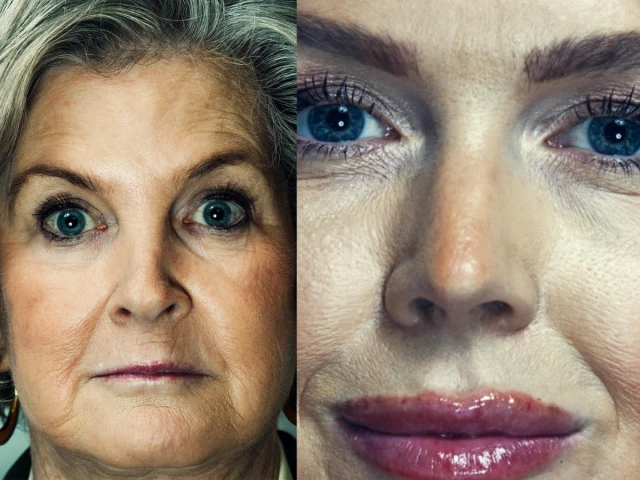
Vanity Fair’s publication of close-up portraits of senior figures from the Trump administration has prompted widespread reaction online, with some social media users mocking the images and questioning their intent.
The photographs, released as part of a feature marking the first year of Donald Trump’s second term, show White House Chief of Staff Susie Wiles, Vice President JD Vance, Press Secretary Karoline Leavitt, Secretary of State Marco Rubio and several other senior officials. The tightly framed images reveal fine facial details more commonly softened in official political photography.
After Vanity Fair shared the portraits on Instagram, users left thousands of comments, including descriptions such as “jump scare”, “done dirty” and “mugshot”. The portrait of Leavitt, 28, attracted particular attention, drawing more than 2,000 comments within hours of posting. Comedian Kelsey Darragh commented: “Jesus Christ a warning next time please.”
Photographer Christopher Anderson told The Independent that the images were consistent with his long-established style. “Very close-up portraiture has been a fixture in a lot of my work over the years,” he said, adding that he aims to “penetrate the theater of politics”. Anderson said he used the same approach for all subjects and rejected suggestions that he intended to portray officials negatively.
Anderson and his team photographed each subject in their White House offices on November 13, using a medium-format camera and controlled lighting. He said final image selection was based on what appeared strongest for each individual, including the use of a candid photograph of Rubio alongside his portrait.
The accompanying Vanity Fair article focused primarily on Wiles, the first woman to hold the role of White House chief of staff. Wiles later disputed the accuracy of parts of the written feature but did not comment on the photographs.
Anderson said his responsibility was to portray what he encountered, even when that made viewers uncomfortable.





This material may not be published, broadcast, rewritten, redistributed or derived from. Unless otherwise stated, all content is copyrighted © 2026 The Express Tribune.


COMMENTS
Comments are moderated and generally will be posted if they are on-topic and not abusive.
For more information, please see our Comments FAQ