Brand reliability fetches demanded price
Updated 14 hours ago

KCCI, KATI, SAI say high borrowing costs threaten competitiveness, jobs and investment
Despite the State Bank of Pakistan (SBP) cutting the policy rate by 50 basis points, contrary to market expectations, the business community has expressed widespread disappointment over the central bank's decision to reduce the rate modestly from 11% to 10.5%.
Industry leaders have termed the modest reduction insufficient to provide meaningful relief to businesses struggling under high production costs, rising energy tariffs and a challenging economic environment.
President of the Karachi Chamber of Commerce & Industry (KCCI), Muhammad Rehan Hanif, described the move as "far below what is urgently required to restore business confidence and revive the fragile economy." He noted that despite a visible decline in inflation, borrowing costs in Pakistan remain among the highest in the region, severely hampering industrial growth, exports and employment generation.
"The policy rate in Pakistan continues to hover at an unsustainably high level, whereas regional economies such as China, India, Bangladesh, Vietnam, Indonesia and Sri Lanka maintain single-digit interest rates, enabling their industries to access affordable financing, expand capacity and remain competitive in global markets," Hanif said. He added that local industries face multiple cost pressures, including high fuel prices, excessive taxation, volatile exchange rates and rising regulatory expenses, making a significant reduction in borrowing costs critical to stimulate economic activity.
Echoing similar concerns, Muhammad Ikram Rajput, President of the Korangi Association of Trade and Industry (KATI), criticised the SBP's decision as contrary to the long-standing demands of the business community. He emphasised that bringing the policy rate into single digits is essential to revive industrial activity and put the economy back on a sustainable growth path.
"Even at 10.5%, Pakistan's interest rates remain significantly higher than regional peers, severely undermining export competitiveness and discouraging investment in new industrial units as well as the expansion of existing ones," Rajput said. He highlighted that high borrowing costs make products more expensive in both domestic and international markets and strain small and medium-sized enterprises, which are the backbone of employment generation.
Ahmed Azeem Alvi, President of the SITE Association of Industry (SAI), also expressed disappointment over the SBP's modest cut, warning that persistently high interest rates are trapping both businesses and the public in a cycle of inflation and unemployment. He called for a reduction to single-digit rates and the introduction of business-friendly policies to prevent industrial stagnation and further job losses. "The government must adopt a clear and coherent strategy to support domestic industries, or the economy risks grinding to a halt," Alvi said.
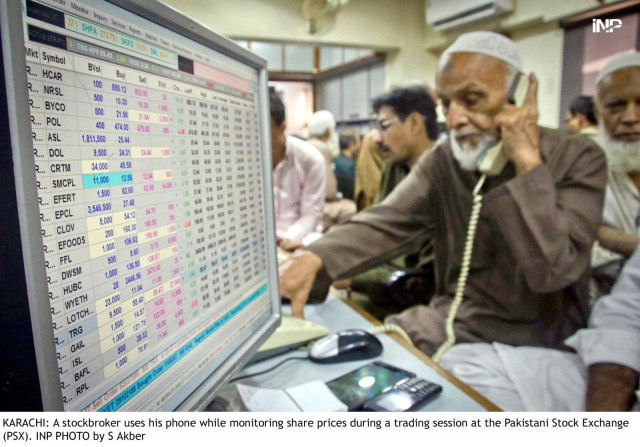
From a market perspective, Waqas Ghani Kukaswadia, Research Head at JS Global, described the SBP's cautious approach as an incremental attempt to support growth while remaining mindful of inflationary pressures and external account vulnerabilities. He noted that although the rate cut was modest, it signals central bank flexibility and could provide optimism for the equity market, potentially boosting investor sentiment in the near term.
Despite this, industrialists argue that a token rate cut is inadequate to address Pakistan's structural economic challenges. They maintain that only a bold and decisive reduction in borrowing costs can stimulate industrial growth, protect jobs, enhance competitiveness and contribute to broader economic stabilisation. Business leaders warn that without significant action, sluggish credit growth may further slow industrial expansion, weaken exports and increase pressure on fiscal and monetary policy frameworks.
The consensus among KCCI, KATI and SAI leaders is that single-digit interest rates are essential to unlock business potential, promote investment and restore economic confidence. They urge the government and the SBP to implement extraordinary measures to ensure industries can compete regionally and globally, generate employment and contribute to sustainable economic growth.









This material may not be published, broadcast, rewritten, redistributed or derived from. Unless otherwise stated, all content is copyrighted © 2026 The Express Tribune.













COMMENTS
Comments are moderated and generally will be posted if they are on-topic and not abusive.
For more information, please see our Comments FAQ