Wireless Festival stands by Kanye West booking amid calls for UK ban
Updated 27 minutes ago

Trump administration says it views Netflix’s proposed $72bn purchase of Warner Bros Discovery assets skeptically
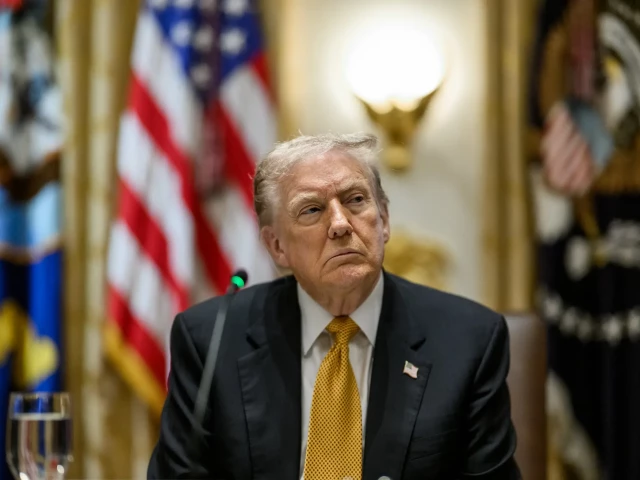
The Trump administration has expressed “heavy skepticism” toward Netflix’s proposed $72 billion deal to acquire Warner Bros Discovery’s film studio and streaming service HBO Max, according to a senior official speaking to CNBC. Netflix announced the acquisition plan on Friday, subject to regulatory approval.
Senator Elizabeth Warren said, “This deal looks like an anti-monopoly nightmare,” arguing that the combined company would control a significant portion of the streaming market.
She said such dominance could lead to higher subscription prices and fewer viewing choices, and raised concerns about potential risks to workers.
She also criticised what she described as political influence in antitrust processes, saying the Department of Justice must apply competition laws “fairly and transparently.”
Before Netflix entered the negotiations, Paramount Skydance made multiple bids for all of WBD, including a final all-cash offer valued at $30 per share. Comcast also submitted a bid for WBD’s film and streaming assets.
The New York Post reported that Paramount Skydance chief David Ellison met Trump officials and lawmakers in Washington to argue against WBD selecting Netflix as a merger partner.
The Wall Street Journal reported that Paramount warned WBD that a sale to Netflix would “never close” due to regulatory challenges, stating the acquisition would further strengthen Netflix’s position in global streaming markets in ways not permitted by competition laws.
Netflix’s proposed purchase is expected to close after WBD completes its planned spinout of Discovery Global in the third quarter of 2026, provided regulators approve the transaction.
Discovery Global would include CNN, TNT Sports and Discovery-branded channels. A Securities and Exchange Commission filing shows Netflix agreed to pay a $5.8 billion reverse break-up fee if the deal is rejected by regulators.
The White House previously opposed major media consolidation efforts, including the AT&T and Time Warner merger in 2017, though that acquisition ultimately went ahead after the Department of Justice lost its legal challenge.




1731587470-0/lady-gaga-(2)1731587470-0-208x130.webp "story")




This material may not be published, broadcast, rewritten, redistributed or derived from. Unless otherwise stated, all content is copyrighted © 2026 The Express Tribune.











COMMENTS
Comments are moderated and generally will be posted if they are on-topic and not abusive.
For more information, please see our Comments FAQ