
Renal risk: Life’s labour lost in saving it
Nephrologists in short supply; resource allocation insufficient; renal disease cases on rise.
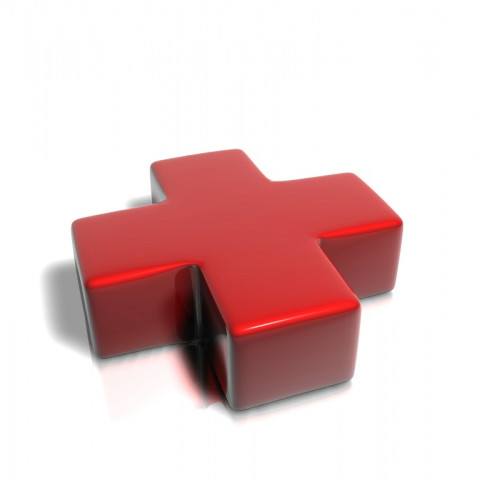
Nephrologists in short supply; resource allocation insufficient; renal disease cases on rise. PHOTO: FILE
With the public healthcare in a shambles, there are not many who can afford treatment from private hospitals.
Mohammad Raheel is among many who are striving to live on without the treatment.
He has been diagnosed with a kidney disease.
Raheel bought a taxi, a month back, after years of hard labour and savings.

He dreams of a bright future for his children. Just within a month of buying taxi, “I am thinking of selling it, because I need money for treatment”, said Raheel.
Currently he is admitted at a private hospital in Rawalpindi which offers some discount to needy patients.
He, in the past, visited Polyclinic and Pakistan Institute of Medical Sciences (Pims) but, according to him, they kept on sending him to private laboratories for tests.
“When I came to know that each test would cost Rs1,600 or above, I dropped the idea of getting treatment, but due to the unbearable pain, I came to this private hospital,” said Raheel.
When his pain subsides, he starts worrying about his family, and education of three children.
March 13 is the World Kidney Day. Despite tall claims by the governments, there are few facilities for kidney treatment in the country.
Shifa International Hospital Department of Nephrology Head Dr Farhat Abbas said Pakistan is facing acute shortage of nephrologists and majority of the patients are unable to afford its treatment cost. He said currently there are 80 qualified nephrologists and “none of them is serving in rural areas where people need them the most.”
“Every day I receive around 60 new cases of renal failure,” he said talking about the rise in cases.
He said major causes of renal disease were consumption of contaminated water, diabetes, hypertension, obesity, unhygienic lifestyle, low consumption of water especially during winter and unnecessary medication. “The shocking thing is that majority of the patients are not aware of its causes,” he said.
Pims Department of Nephrology Head Prof Ghyasuddin Butt said the available resources are insufficient to facilitate the increasing number of patients.
Prof. Butt urged the government to provide free of cost dialysis facility to deserving patients.
Published in The Express Tribune, March 14th, 2014.
LATEST

K-P CM Afridi writes to G-B top judge, seeks judicial intervention over election concerns

America has 'true friendship' with PM Shehbaz and CDF Munir, says US War Secretary Pete Hegseth
PTI's Asad Qaiser alleges Punjab police barred him from boarding Skardu flight

Govt slashes jet fuel price by Rs48 per litre
Lahore weather turns pleasant after rain, hailstorms in several areas

PMD predicts rain, thunderstorms in parts of Sindh
MOST READ

Trump announces end of Iran naval blockade, says now making 'final determination' on deal
Punjab CM undergoes major surgery in Lahore, returns home: Marriyum Aurangzeb
Severe heat persists in Sindh as Karachi records humid conditions
Govt slashes petrol, HSD by Rs22 in 'Eid gift' for people

60-day ceasefire extension with Iran reached but Trump must approve, source says



COMMENTS
Comments are moderated and generally will be posted if they are on-topic and not abusive.
For more information, please see our Comments FAQ