Provincial funds to finance water, coal, gemstone projects
Updated 49 minutes ago

Focus on better farming practices, value addition to enhance EU market share
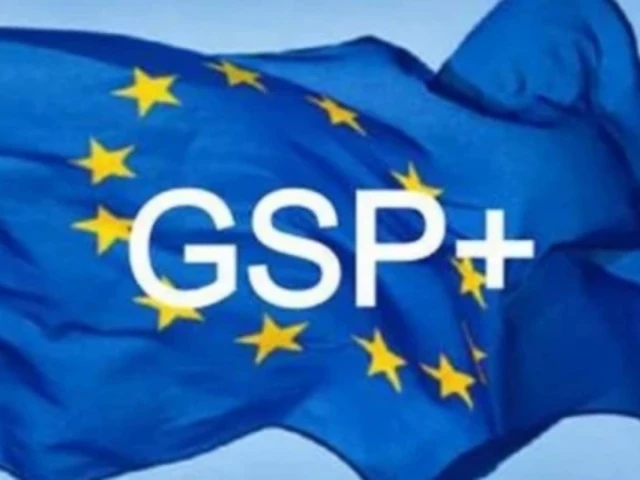
Pakistan is seeking to build on the trade opportunities created by the European Union's GSP+ facility by expanding agricultural and processed food exports, with exporters focusing on food safety, better farming practices, product branding and value addition to strengthen access to the European market.
The effort comes as Pakistan looks to broaden its export base beyond textiles and clothing and make greater use of the preferential trade access that has supported its commercial ties with the EU since 2014. European Commission data shows that EU imports of agri-food products from Pakistan reached 675 million in 2025, with cereals accounting for 263 million, or around 39% of the total. Fruits and nuts contributed 22 million, while preparations of fruits, nuts and vegetables added another 22 million.
The commission's comparable series, which started in 2015, records average annual growth of 10.1% in agri-food imports from Pakistan over the following decade. The category includes some non-edible agricultural products as well as food items.
Shahzad Ali Malik, former chairman of the Rice Exporters Association of Pakistan and Chief Executive Officer of Guard Group, said the rice sector was working to improve compliance with European food safety requirements, particularly by addressing pesticide residue levels.
"Excessive use of pesticides can affect the acceptability of Pakistani rice in European markets. We are working to identify low pesticide practices and educate farmers so that our consignments meet the required residue limits," he said.
He called for a stronger role for agriculture extension departments in guiding farmers on pesticide application and better crop management, saying improved practices at farm level would help exporters maintain the quality standards demanded by international buyers.
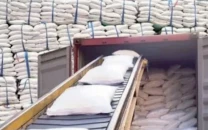
Malik said the development of Pakistani rice brands was also important for securing a stronger position in overseas markets. Exporters have approached the government for support through the Export Development Fund to develop and promote brands, allowing local products to compete on quality and market recognition rather than prices alone. The sector's productivity gains provide another foundation for export expansion. Malik said the introduction of Chinese hybrid rice seed in 1999 had helped raise yields of non-Basmati varieties from around 50 to 60 maunds per acre to approximately 120 maunds. The increase improved farmer incomes and created production surpluses for export.
Pakistan's rice export earnings had risen from around $450 million in 2000 to $3.5 billion last year, he said, adding that better productivity and continued improvements in farming practices could help the country further expand its presence in international markets. The wider opportunity extends beyond rice. Pakistan has export potential for citrus, mangoes, dates, vegetables, seafood, meat, dairy products and processed food, provided producers meet buyers' requirements for consistent quality, safety and traceability.
The Pakistan Business Forum (PBF) said GSP+ had played an important role in supporting the country's export growth to European markets and welcomed efforts to extend the benefits to agriculture and agro-based industries.
"The continuation of GSP+ provides Pakistan with an important opportunity to build on the progress achieved so far," the forum said, noting that stronger public-private collaboration, consistent policies and institutional coordination could help diversify exports, attract investment and generate rural employment.
The forum also welcomed growing attention to international food safety standards, sanitary and phytosanitary requirements, traceability and certification. It said further investment in testing laboratories, compliance mechanisms, cold chain facilities, storage and food processing would help Pakistani producers access higher-value European markets.
These improvements are important not only for exporters but also for farmers and workers across the agricultural supply chain. Better grading, packaging, processing and storage can reduce post-harvest losses, improve returns to growers and create employment in rural areas.
The PBF also highlighted women's contribution to rice cultivation, cotton picking, livestock management, dairy production and post-harvest activities, calling for greater access to finance, technology, training and better-paid work.
The EU remains Pakistan's largest export destination, receiving almost 30% of the country's exports in 2025. The European External Action Service says Pakistan's exports to the bloc have increased by more than 92% since the introduction of GSP+ in 2014, underlining the importance of maintaining the trade relationship and expanding the range of products supplied to the market. The next phase of agriculture and food exports will depend on translating improvements in farming, testing and processing into reliable supplies that meet European requirements. "Stronger compliance, value addition and investment in export infrastructure could allow Pakistan to build on the access already provided by GSP+ while creating new sources of foreign exchange and rural employment," the forum added.









This material may not be published, broadcast, rewritten, redistributed or derived from. Unless otherwise stated, all content is copyrighted © 2026 The Express Tribune.






COMMENTS
Comments are moderated and generally will be posted if they are on-topic and not abusive.
For more information, please see our Comments FAQ