K-P sits on mineral wealth but earns little, says policy paper
Updated 14 minutes ago

.
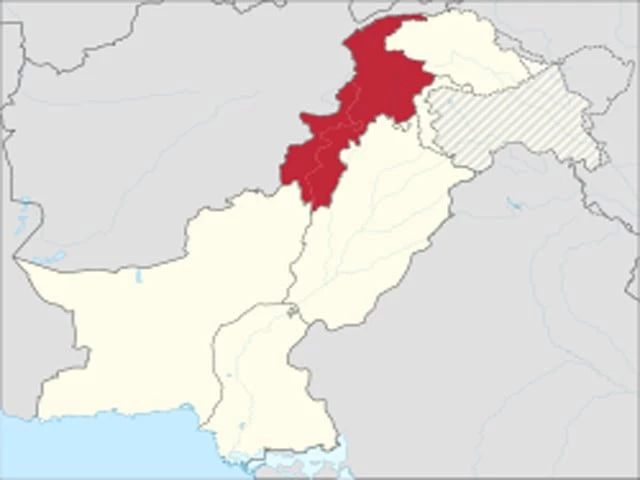
Despite its vast mineral wealth, Khyber-Pakhtunkhwa (K-P) continues to generate meagre revenue from the sector, raising questions about the management of mineral resources, transparency in mining concessions and the province's ability to translate its natural wealth into public prosperity, according to a policy paper submitted to the provincial government.
The Good Governance Forum (GGF) has submitted a policy paper titled Rare Earth Minerals, Copper and Other Minerals in Khyber-Pakhtunkhwa: Economic Potential, Public Revenue, Community Rights and Environmental Protection to the provincial governor and chief secretary, expressing concern over the disproportionately low returns from the province's mineral resources.
According to the provincial government's Budget White Paper 2026-27, non-tax revenue from the mineral sector stood at just Rs10.7 billion in 2024-25. The figure was revised to Rs14 billion for 2025-26, while the revenue target for 2026-27 has been set at Rs18 billion. These figures exclude separately accounted oil and gas revenues.
The forum also called for a thorough examination of audit observations involving approximately Rs16.94 billion in potential financial irregularities, illegal mining and unrecovered dues, with verification and recovery wherever liability was established.
GGF Chairman Dr Syed Akhtar Ali Shah questioned why mineral-rich districts, including North and South Waziristan, Mohmand, Kohistan, Karak and Hangu, continued to grapple with poverty, unemployment and inadequate educational, healthcare and infrastructure facilities despite their natural resource endowment.
The policy paper recommended a comprehensive overhaul of the province's mineral governance framework, including the establishment of a Provincial Geological Survey Department and a research consortium involving universities and relevant scientific institutions.
It also called for independent technical and financial audits of existing mining concessions, scientific assessment and certification of mineral reserves, and a review of royalty structures, concession agreements and revenue-sharing arrangements.
Other proposals included the establishment of a specialised Mines and Minerals Service cadre, transparent revenue collection, local processing and value addition, and enforceable development agreements to safeguard the rights of communities in mineral-producing areas.
The forum also stressed the need to implement Article 172(3) of the Constitution concerning the joint and equal ownership of oil and natural gas by the federal and provincial governments. It called for stricter enforcement of environmental protection, occupational safety and mine rehabilitation standards.
The initiative to deliberate on the province's mineral potential was taken by Himayatullah Khan, following which a brainstorming session was held at the residence of Engr Gul Bahadar Khan. The meeting brought together geologists, mining engineers, other engineering professionals and specialists in law and governance.










This material may not be published, broadcast, rewritten, redistributed or derived from. Unless otherwise stated, all content is copyrighted © 2026 The Express Tribune.





COMMENTS
Comments are moderated and generally will be posted if they are on-topic and not abusive.
For more information, please see our Comments FAQ