Setback for Google as EU Court adviser backs $1.7b antitrust fine
Updated 34 minutes ago

Nonprofits sue AI firms in California, seeking to halt development of ChatGPT, Gemini and Claude
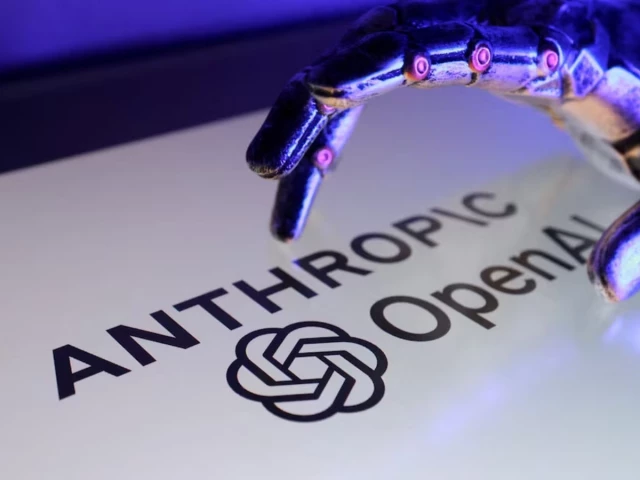
A group of nonprofits sued OpenAI, Anthropic, SpaceX's (SPCX.O), AI division, Meta Platforms and Alphabet's Google on Thursday, seeking to block the further development of the most advanced AI models over concerns, voiced by the companies' own leaders, that the technology could pose a threat to humanity.
The nonprofits, which focus on tech accountability and include the Irreplaceable Education Fund, Public Citizen and Heat Initiative, sued in San Francisco, saying California’s laws against unfair business practices provide the grounds for a court order barring the companies from further development of products like ChatGPT, Gemini and Claude.
The lawsuit cites comments from company leaders, like Dario Amodei, chief executive of Anthropic, and Elon Musk, SpaceX's chief executive, about AI's potential to cause the destruction of civilization. It also describes recent incidents where models have escaped testing environments and autonomously attacked government websites.
“No other industry is allowed to treat its own development of unsafe products—much less ones that could kill us all—as inevitable,” the lawsuit says. “Nor is any industry granted the right to self-regulate the development of such dangerous products.”
The lawsuit accuses the companies of engaging in business practices that create a public nuisance, or harm to public health and enjoyment, pointing to both past incidents and the potential for future harm.
A spokesperson for Meta declined to comment. Representatives of the other companies did not immediately respond to requests for comment.
Other lawsuits seek to bar development
While the Trump administration has so far declined to pursue large-scale AI regulation over fears it could harm the country’s ability to compete with China, states and private entities have sought to use lawsuits to force the companies to make changes.
Florida Attorney General James Uthmeier sued OpenAI in June, accusing the company of misrepresenting the safety of its ChatGPT platform, saying it has harmed children by providing information to school shooters, offering guidance on self-harm and addicting young users. In September, Florida asked the judge overseeing the lawsuit to bar OpenAI from developing new artificial intelligence models without outside oversight. That motion remains pending, according to court records.
Read More: Nvidia CEO Jensen Huang steps down in big blow to AI boom
After Florida's filing, OpenAI spokesperson Drew Pusateri said the company had paused training its most capable models and would not resume until they have additional safeguards in place.
"Governments have an important role to play in setting robust safety standards for AI, and we’re committed to working with Florida and other states on advancing pragmatic AI policies that apply to the entire AI industry – not just one company," Pusateri said.
Separately, a group of eight states sued OpenAI last month in courts across the country alleging ChatGPT has coached its users — including teenagers — to harm themselves or others. OpenAI did not respond to requests for comment after the filing.
The states' lawsuits seek financial penalties, as well as an order barring the company from developing self-improving AI models unless it can ensure those models are aligned with human values.








This material may not be published, broadcast, rewritten, redistributed or derived from. Unless otherwise stated, all content is copyrighted © 2026 The Express Tribune.












COMMENTS
Comments are moderated and generally will be posted if they are on-topic and not abusive.
For more information, please see our Comments FAQ