'Sindh govt always favours press freedom'
Updated 51 minutes ago

Jamali Park project reuses mosque ablution water, harvest rainwater
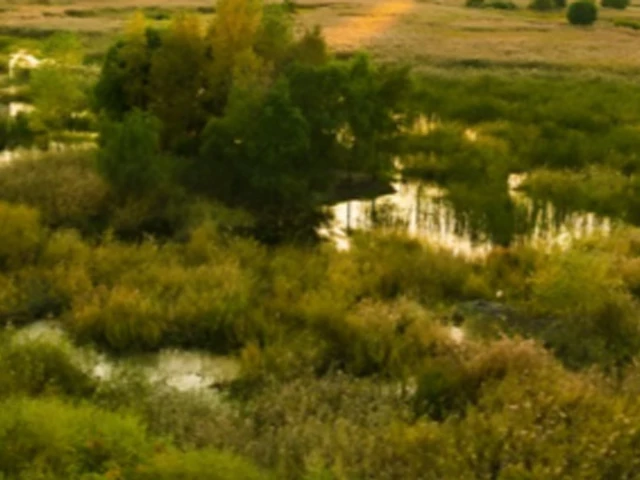
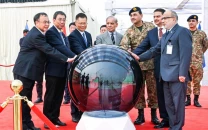
In a first for Pakistan, Karachi has inaugurated an experimental 'sponge park' at Jamali Park in Gulberg Block 2, introducing a nature-based solution that aims to turn rainwater from a wasted runoff into a valuable resource by absorbing, filtering and storing it underground for future use.
Developed through a public-private partnership involving WWF-Pakistan, Gulberg Town Municipal Corporation and other stakeholders, the six-month project seeks to address the city's worsening water scarcity, urban flooding and declining groundwater reserves by rethinking the way rainwater is managed.
Instead of allowing rainwater to flow through conventional drains and eventually drain into the sea, the innovative system uses specially designed landscapes, permeable surfaces and underground filtration mechanisms to capture water, gradually replenish groundwater and make stored supplies available for non-drinking purposes.
An additional feature of the project is the reuse of ablution water from a nearby mosque. The water will pass through several filtration stages before being used to irrigate plants and trees in the park, reducing dependence on freshwater supplies for landscaping.
The park has been equipped with locally developed underground filters containing layers of gravel, coarse aggregates, sand, silica, activated carbon, biochar and zeolite. Each material performs a specific filtration function, helping remove suspended particles, organic matter and certain chemical contaminants.
The initial layers of gravel and coarse aggregates separate soil and debris, while sand and silica trap finer particles. Activated carbon and biochar help absorb organic and chemical pollutants, while zeolite can reduce certain heavy metals and other contaminants.
After passing through the filtration layers, water is directed towards underground storage or drainage systems, depending on the design of the individual sections.
Director Biodiversity at the Ministry of Climate Change and Environmental Coordination Naeem Ashraf said the country's underground freshwater reserves had been extensively exploited through borewells and other extraction methods.














This material may not be published, broadcast, rewritten, redistributed or derived from. Unless otherwise stated, all content is copyrighted © 2026 The Express Tribune.







COMMENTS
Comments are moderated and generally will be posted if they are on-topic and not abusive.
For more information, please see our Comments FAQ