Afghan posts destroyed after border shelling
Updated 50 minutes ago

.
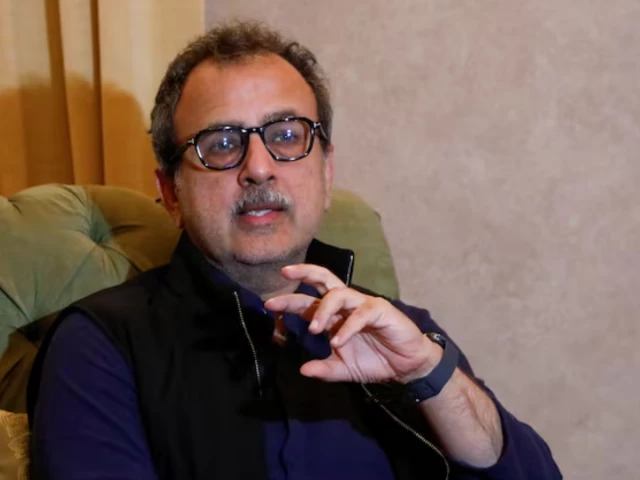
Minister for Energy (Power Division) Sardar Awais Ahmad Khan Leghari on Tuesday said that the government was working on a system to provide electricity relief to consumers based on poverty rather than consumption of up to 200 units, while efforts were underway to increase the existing threshold to 250 units.
Speaking during a Senate session, Leghari said that wealthy consumers were installing solar panels to reduce their electricity consumption below 200 units and subsequently benefit from relief intended for lower-income households. He said the government was working on a plan to provide relief specifically to people living below the poverty line.
According to Leghari, the number of electricity consumers using up to 200 units had reached 20 million, with most of them using solar energy. He stressed that electricity tariff slabs needed to be determined appropriately to prevent such problems in the future.
Turning to the power sector's financial situation, Leghari said circular debt had declined to Rs1.67 trillion. The minister said the government had set a target to eliminate circular debt over the next four years, adding that the debt servicing surcharge associated with circular debt would also be abolished during the same period.
He said the ministry had received Rs1.18 trillion in budgetary support when the government assumed office, but the amount had declined to Rs700 billion during the current year. Leghari maintained that losses incurred by electricity distribution companies (DISCOs) had been reduced every year. However, he acknowledged that the benefits of reduced losses had not yet been passed on to consumers.








This material may not be published, broadcast, rewritten, redistributed or derived from. Unless otherwise stated, all content is copyrighted © 2026 The Express Tribune.





COMMENTS
Comments are moderated and generally will be posted if they are on-topic and not abusive.
For more information, please see our Comments FAQ