120 days given for shrimp roadmap
Updated 1 hour ago

UBS raises its year-end Brent view to $110; US-Israeli strike threats keep prices elevated
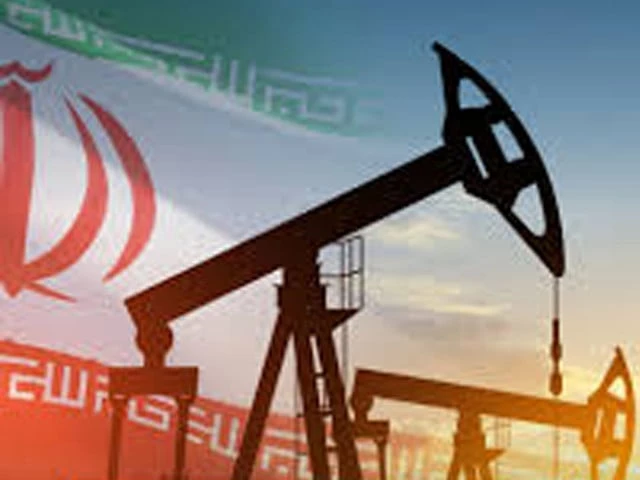
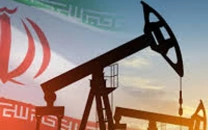
Oil futures fell by more than $2 a barrel on Tuesday as traders focused on Middle East peace talks, though prices remained near the highest in six months as the Houthi-Saudi Arabia conflict raged on and investors worried about the potential for more fighting in the US-Israeli war with Iran.
Brent crude futures were down $2.09, or 1.8%, at $113.72 a barrel by 1744 GMT. US West Texas Intermediate crude was down $1.93, or 1.9%, at $99.83.
Iranian Security Council chief Mohsen Rezaei met Supreme Leader Ayatollah Mojtaba Khamenei on Tuesday, a day after holding talks with representatives of Saudi Arabia, Turkey and Pakistan. State media said Khamenei had emphasised the importance of pursuing Iran's interests and maintaining its conditions for ending the war.
The four countries agreed to continue talks with a view to strengthening cooperation in peace and security, Iranian state media said.
Swiss bank UBS said it expects Brent prices to stay elevated near $110 a barrel through to the end of the year, citing volatile Middle East supply and geopolitical uncertainty. It was previously forecasting $100 a barrel at the end of this year.
Traffic through the Strait of Hormuz has risen but the number of vessel attacks has increased, with risks likely to become more acute if US naval support wavers, UBS said.
Investors were also looking for cues from a general election in Israel on Tuesday.
"The outcome of today's parliamentary elections in Israel could also be significant for further developments in the war with Iran, as Israeli Prime Minister (Benjamin) Netanyahu, if re-elected, might attempt to achieve regime change in Iran," Commerzbank analysts wrote.
OPEC+ set to keep output targets steady
OPEC+ oil-producing countries are likely to keep their December oil output targets steady on Sunday, three people with knowledge of the matter told Reuters, in line with expectations that further output policy adjustments are unlikely until next year.
The online meeting of seven core OPEC+ members - Saudi Arabia, Russia, Iraq, Kuwait, Algeria, Kazakhstan and Oman - comes as Gulf members have been boosting exports that have been disrupted for months by the Iran war. Most, however, are still pumping well below their output targets.
All three people declined to be named and said no final decision had been made.







This material may not be published, broadcast, rewritten, redistributed or derived from. Unless otherwise stated, all content is copyrighted © 2026 The Express Tribune.







COMMENTS
Comments are moderated and generally will be posted if they are on-topic and not abusive.
For more information, please see our Comments FAQ