World Bank explores tie-up with SMEDA in building skills
Updated 7 hours ago

Secretary advocates safe use of pesticides, machine harvesting to reduce crop losses
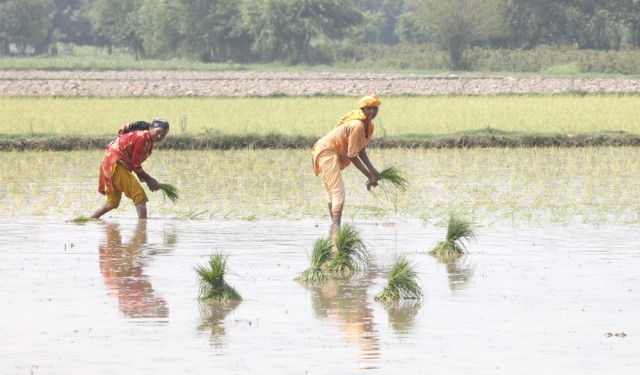
Punjab Agriculture Secretary Shakeel Ahmad Mian on Saturday painted an optimistic picture of the province's paddy sector at a meeting of the Rice Management Committee, but the claims sit uneasily against a season marked by falling exports, persistent stubble burning and unresolved complaints from growers.
Chairing the meeting at the Civil Secretariat, Mian said paddy had been cultivated over 6.7 million acres this season and called Basmati rice "Punjab's identity," urging coordinated steps to improve its production, quality and exports. He directed officials to guide farmers on modern harvesting techniques, ensure safe use of pre-harvest pesticides and promote machine harvesting to reduce crop losses.
The official narrative, however, does not fully match the numbers coming out of the sector. According to the latest US Department of Agriculture's grain outlook, Pakistan's rice exports for the current marketing year are projected at 4.8 million tons, about 8% lower than last year.
The decline is attributed to a stronger rupee, costlier export financing, regulatory hurdles and intensifying competition from India, which has removed its minimum export price on Basmati. Basmati prices had averaged around $1,100 per ton through mid-year, but exportable stocks have been thinning since April.
On the environmental front, the secretary reiterated that the government's strategy to curb air pollution from crop-residue burning was being implemented "as formulated," and pointed to 10,000 subsidised super seeders distributed to farmers to encourage residue management over burning.
Independent estimates, though, suggest the scale of the problem remains large. Researchers tracking crop-residue burning in Pakistan's wheat-rice belt, which covers more than 80% of Punjab's cropped area, estimate that between 3.6 and 5 million tons of rice residue out of a total of 8.5 million tons are still burnt each winter, contributing to air quality that costs Pakistanis an average of 4.3 years of life expectancy.
A farmer associated with a growers' body in central Punjab, speaking on condition of anonymity, said that every year "we are told about subsidies and machines, but by the time paddy is ready, the wheat sowing deadline is already on our heads."
"Renting a super seeder or a harvester is not the same as owning one, and not every farmer can afford the wait," the grower said, adding that many still find burning residue faster and cheaper than alternatives.
Exporters, meanwhile, have separately flagged concerns over financing costs and competitiveness that go beyond what the provincial minister addressed. The Rice Exporters Association of Pakistan was urged by the secretary to play a more active role in expanding access to global markets, but the association's representatives at the meeting did not publicly respond to questions about the financing and currency pressures cited in trade data.












This material may not be published, broadcast, rewritten, redistributed or derived from. Unless otherwise stated, all content is copyrighted © 2026 The Express Tribune.




1727268465-0/Untitled-design-(42)1727268465-0-208x130.webp "sisyphus in the land of saviours")



COMMENTS
Comments are moderated and generally will be posted if they are on-topic and not abusive.
For more information, please see our Comments FAQ